Reaching for the stars together

Jared Krause
18. 11月 2026
18. 11月 2026
High up in the sky or deep beneath the ice: at first glance, ARIS’s two projects could hardly be more different. Yet they have one thing in common – students are developing technologies to tackle real-world challenges, driven by a great deal of personal initiative. KELLER Pressure supports them in this endeavour with pressure measurement technology that is used in both rocket development and research into frozen lakes.
ARIS – Swiss Academic Space Initiative
In 2017, an enthusiastic group of ETH students founded the non-profit association ARIS, which is pushing the boundaries at the Innovation Park in Dübendorf. A shared fascination with space unites these young developers and creates an atmosphere in which technologies are emerging that could transform our future. To this end, ARIS brings together students from Swiss universities to develop rockets, satellites and exploration vehicles for space. Each project lasts one year and culminates in international student competitions or when the project is taken on by a manufacturer.
The partnership between KELLER Pressure and ETH Zurich goes back a long way. Ever since the company was founded, KELLER Pressure has supported university-based projects through product sponsorship. The company’s founder, Hannes W. Keller, also had close ties to ETH Zurich, where he completed his degree in physics. KELLER Pressure is therefore all the more delighted to be the main partner of ARIS, the umbrella organisation founded in 2024, and to be able to help shape the future of space travel with its pressure sensors.
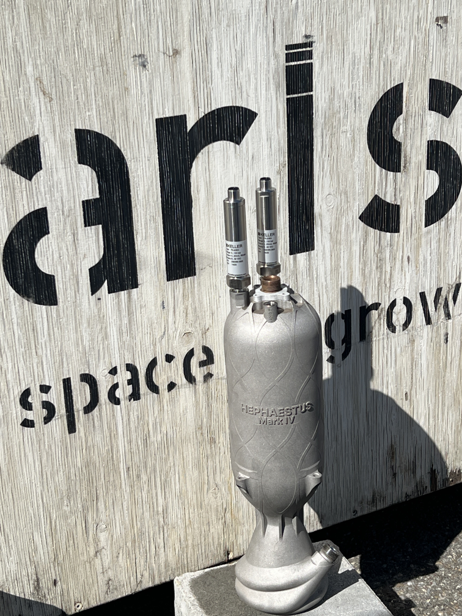
The HEPHAESTUS MKIV enginge with two 23SX pressure sensors from KELLER Pressure installed
Asteria Project
In 2024, KELLER Pressure supported the predecessor project, HERMES, in the development of a bi-liquid rocket. This rocket was intended to reach an altitude of 9 km at EuRoC 2026 (European Rocketry Challenge), thereby surpassing the limits of what student-led aerospace projects can achieve. The launch attempt ended in an automatic abort, but the ignition itself proceeded according to plan, marking an important technical milestone for ARIS, which was further developed in the follow-up project, ASTERIA.
ASTERIA adopted the architecture of HERMES and developed targeted design improvements and operational refinements. The following tests and qualifications were carried out for EuRoC 2026:
- Successful low-pressure and high-pressure leak tests of the engine test infrastructure
- Conduct of initial injector tests to characterise the injection system
- Preparation of the first cold-flow tests of the complete engine system
- Ongoing recovery drop test campaigns to validate the recovery systems under realistic conditions
- Successful engine test in the vertically mounted rocket.
All these tests are essential for qualifying the system and verifying that it is operating correctly. Furthermore, many of these tests are required by EuRoC to ensure the success of the project and the safety of all those involved.
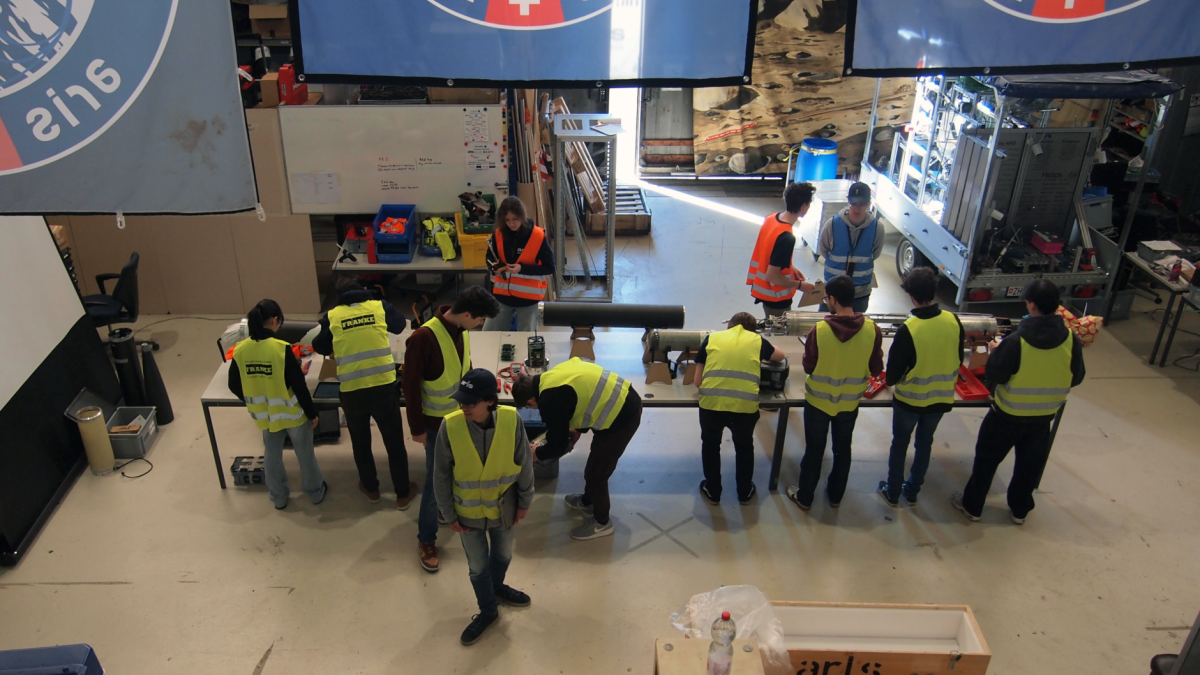
ASTERIA assembling the rocket
KELLER Pressure’s high-precision pressure sensors continued to be used as a key component of liquid propulsion and refuelling systems. Various sensors were employed for pressure monitoring in the propulsion system, which utilises ethanol and liquid oxygen (LOX). These include the 20SX and 23SX series, as well as custom-built variants of the PD-33X series. Among other things, the pressure transmitters measure pressures in tanks, pipes, injectors and combustion chambers. Thanks to their high precision and reliability, key system parameters can be reliably recorded and analysed even under demanding test conditions.
The 20SX series is primarily used for monitoring tank pressures. Thanks to their compact design and low weight, they can be easily integrated into the rocket. In combination with the in-house developed control loop, their high precision and cut-off frequency enable accurate pressure control of the fuel tanks. This is crucial for the controlled and stable operation of the engines.
The 23SX series pressure transmitters are mainly used in the fuelling system and monitor the pressures in the various fuelling lines as well as in the ignition system, which operates with gaseous hydrogen and oxygen. Up to ten pressure sensors can be read via MODBUS RTU using a Raspberry Pi 4 over RS-485. This minimises interference caused by the solenoid valves in the fuel lines.
23SX pressure transmitters are also used directly within the engine, where they monitor the pressure in the combustion chamber and the injector. Despite significant temperature fluctuations, they deliver reliable measurements. Their fully welded housing provides additional protection for the sensors against external influences, such as condensation that can form when the engine is pre-cooled with liquid oxygen.
The custom-built PD-33X series pressure transmitters play a particularly important role. By measuring the pressure differential in the liquid oxygen tank, they enable the fuel level to be determined with precision and are therefore crucial for fuelling the rocket.
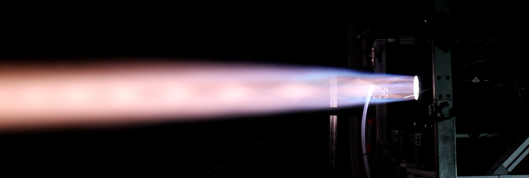
Test firing of the HEPHAESTUS MKIV engine on our test rig
European Rocketry Challenge (EuRoC) 2026
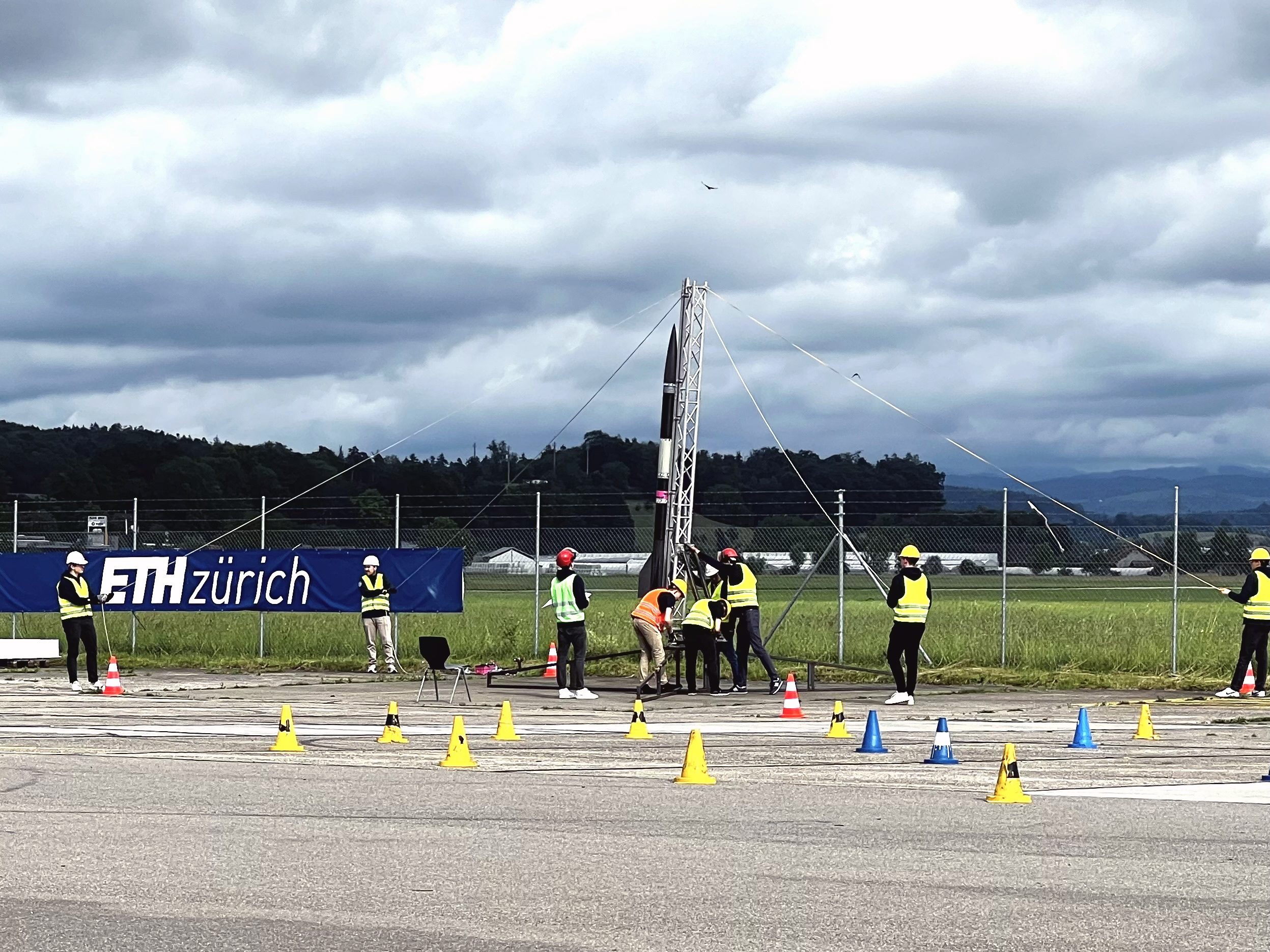
Having passed the Flight Readiness Review (FRR), the ASTERIA project received provisional approval for its launch at EuRoC 2026 in Portugal. To this end, ASTERIA, in collaboration with the Technical Evaluation Board, had ensured the reliable ignition of the engine and demonstrated through numerous simulations that the rocket poses no danger to spectators even if it descends using only the smaller stabilising parachute (drogue parachute).
On the first day at the launch site, the team managed to resolve several technical issues. However, a leak in the liquid oxygen (LOX) system led to the launch attempt being aborted and was repaired that very evening. On the final day, a loss of telemetry and problems with the CAN-Bus caused further delays. Following a repair carried out directly on the launch pad, the leak reoccurred whilst the rocket was being refuelled with liquid oxygen, damaging sensors in the engine compartment. The launch therefore had to be cancelled definitively.
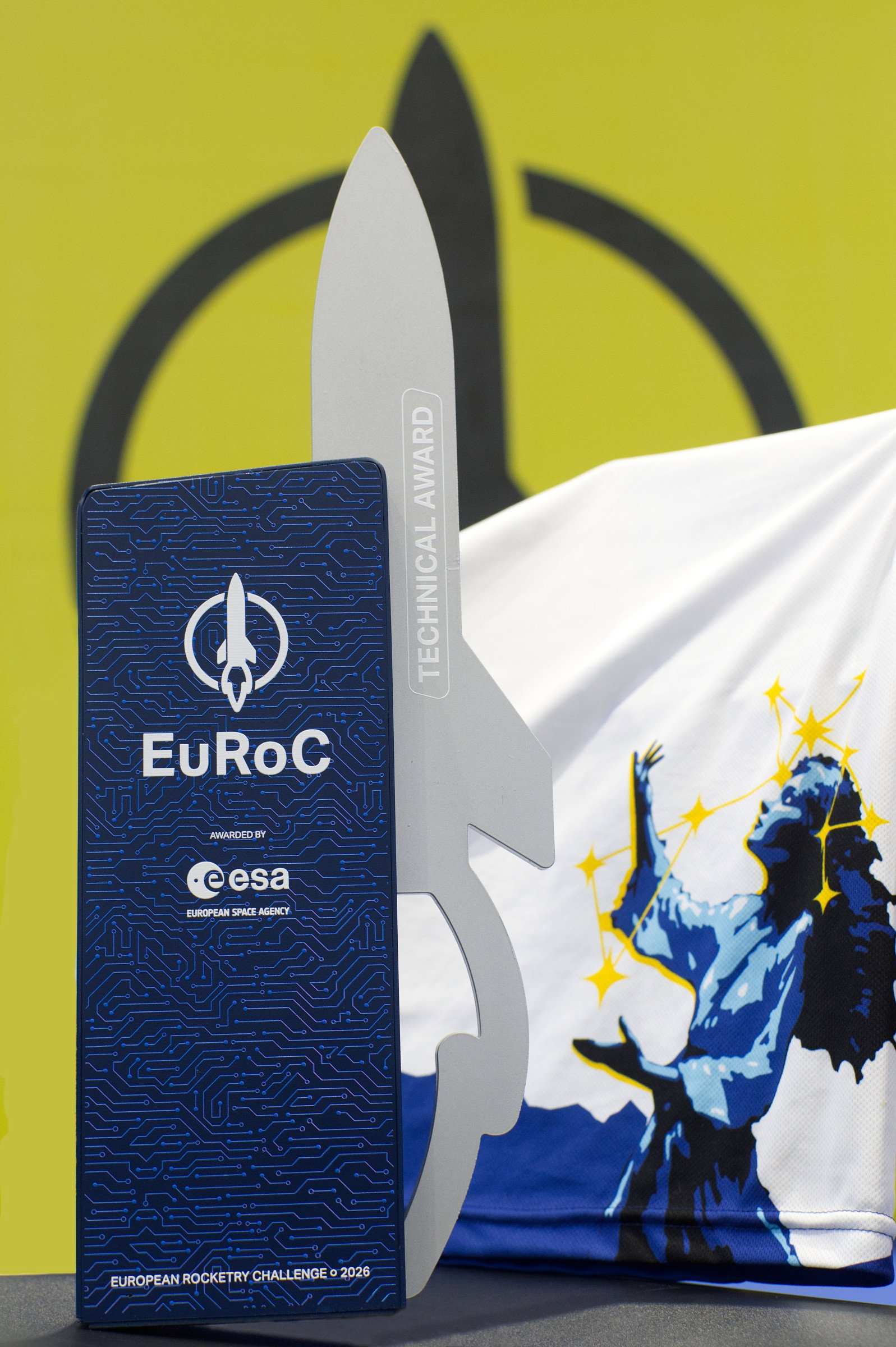
Despite the cancelled launch, ASTERIA came 9th out of 25 teams – the highest-placed team without any flight points – and received the Technical Award for the quality and accuracy of its documentation. For ARIS, the project is a clear success: the team has learnt an enormous amount about the system, and this experience is being directly incorporated into the next generation of the ethanol-LOX rocket, with which they hope to launch successfully next year!
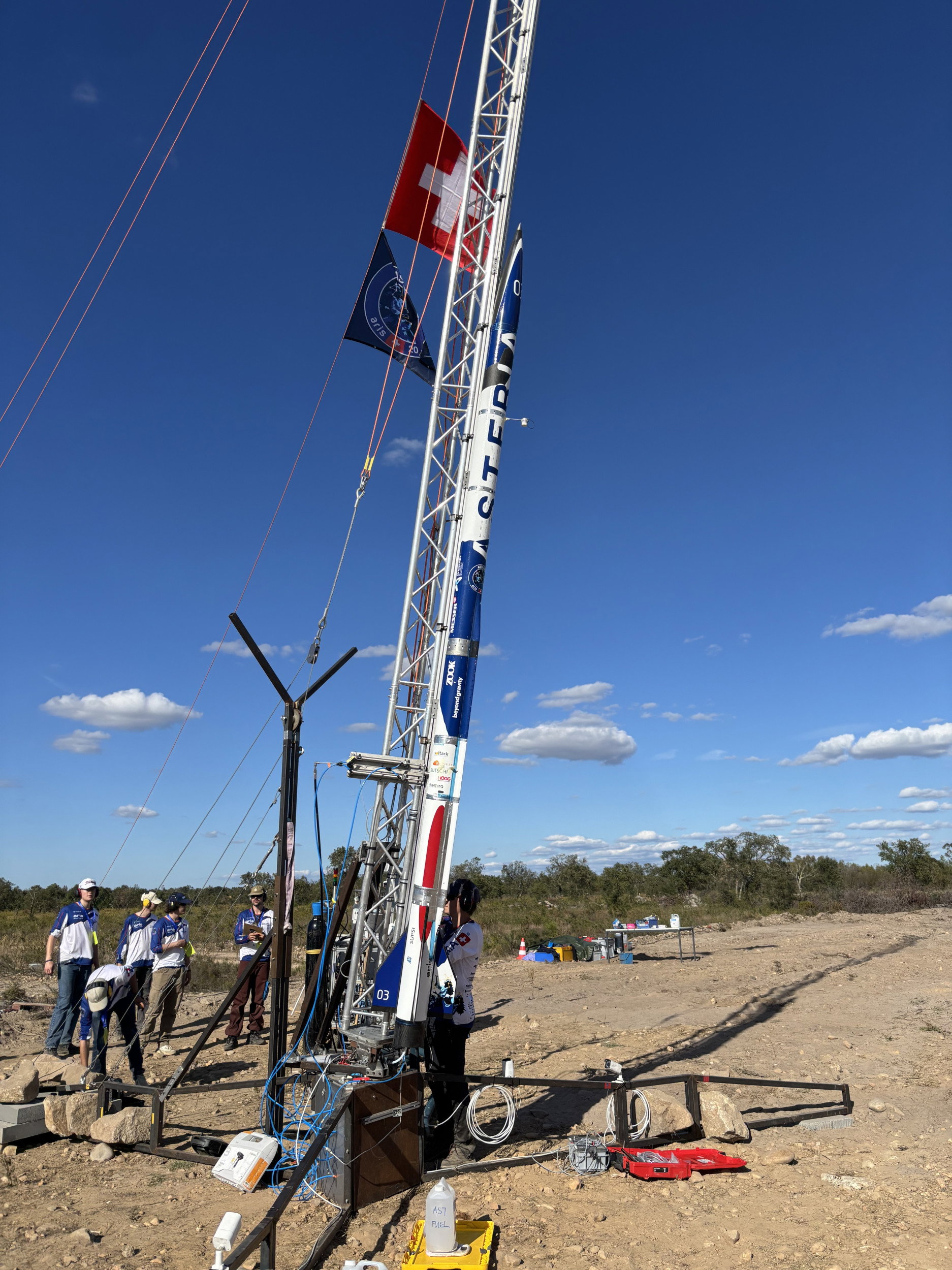
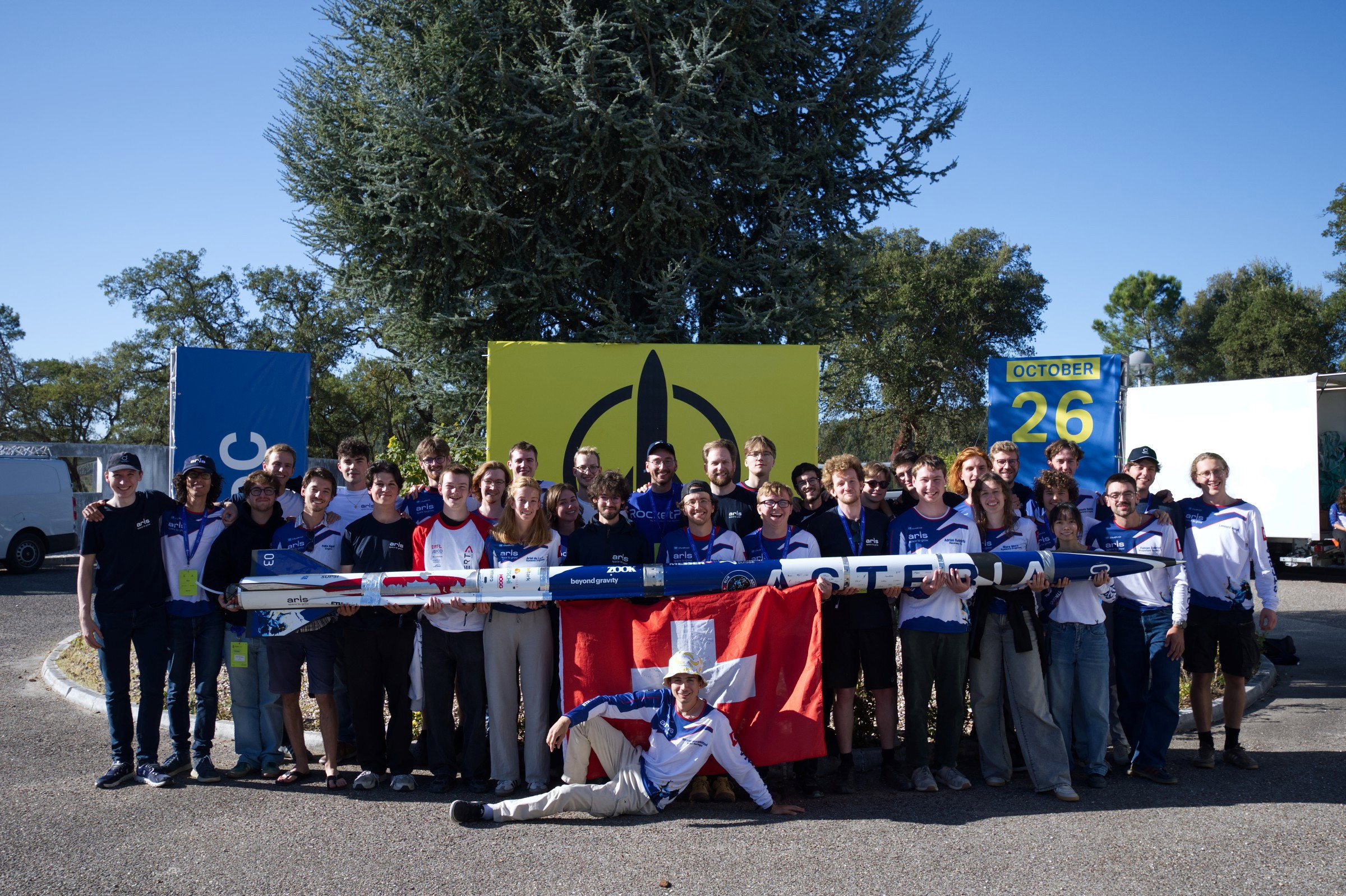
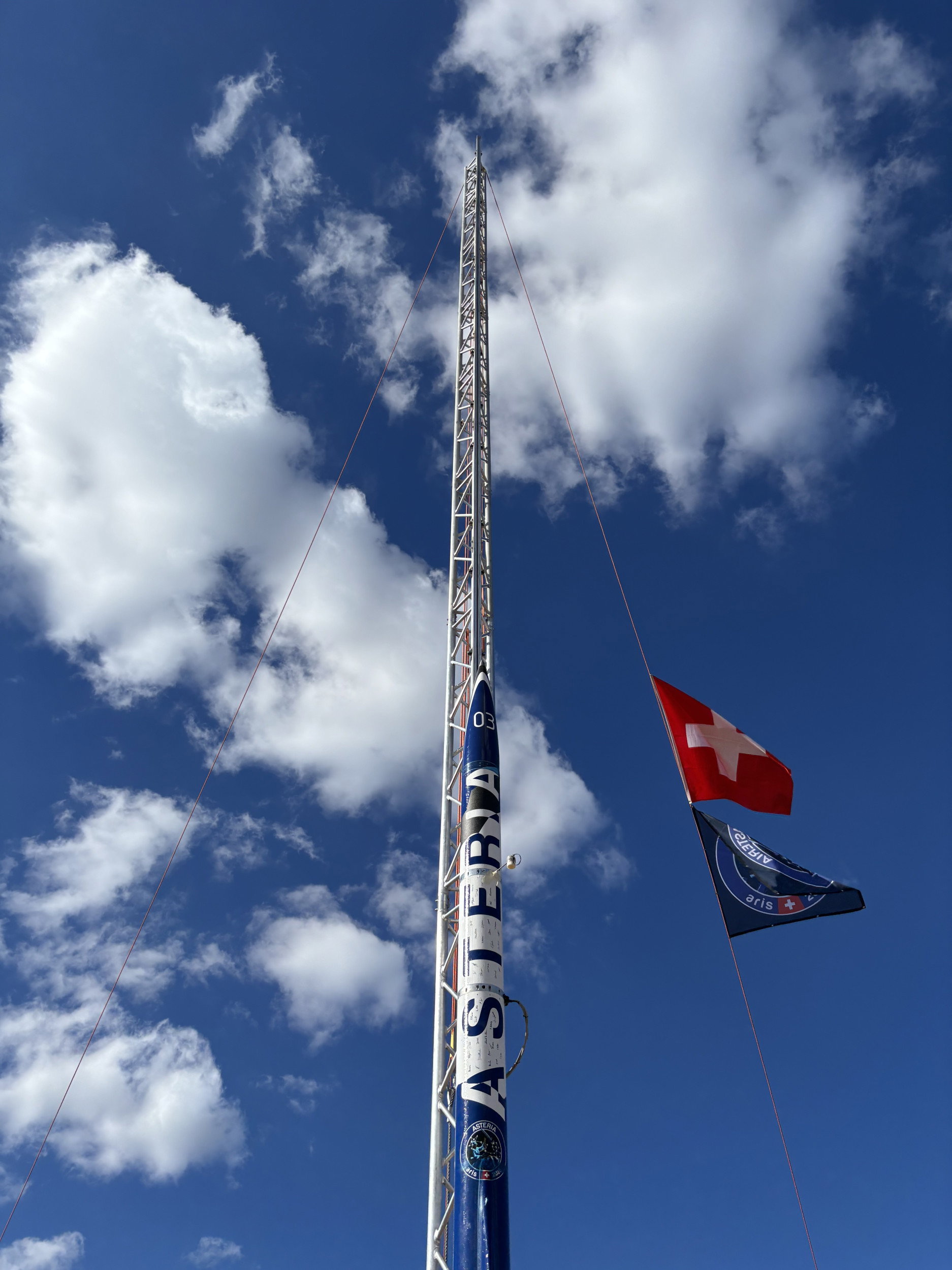
Whilst ASTERIA sees KELLER Pressure’s pressure sensors accompanying the journey towards rocket launch, the next project takes us beneath the ice surface. Precise pressure measurement also plays a central role in POLARIS, albeit for a completely different application.
Project Polaris
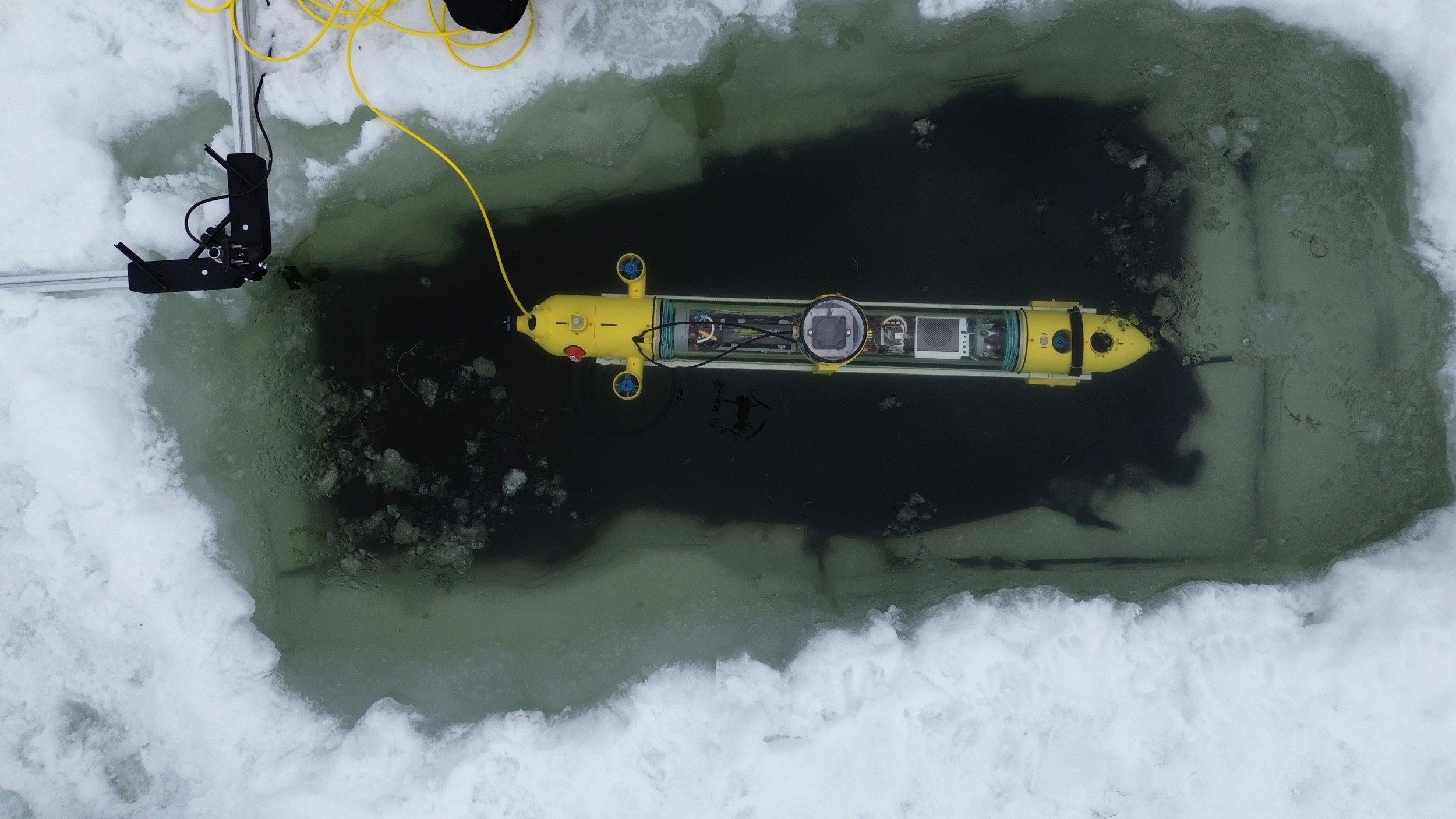
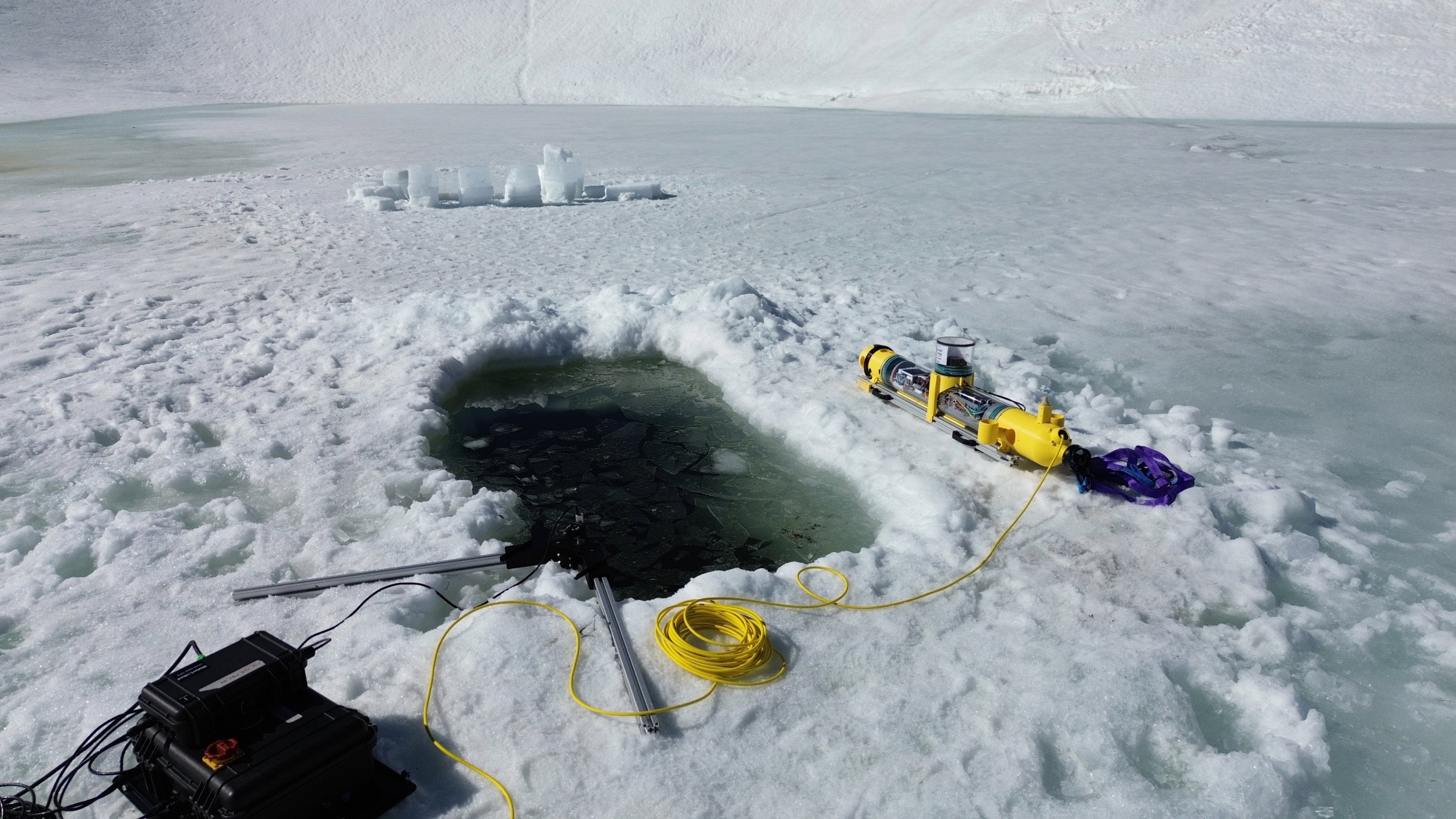
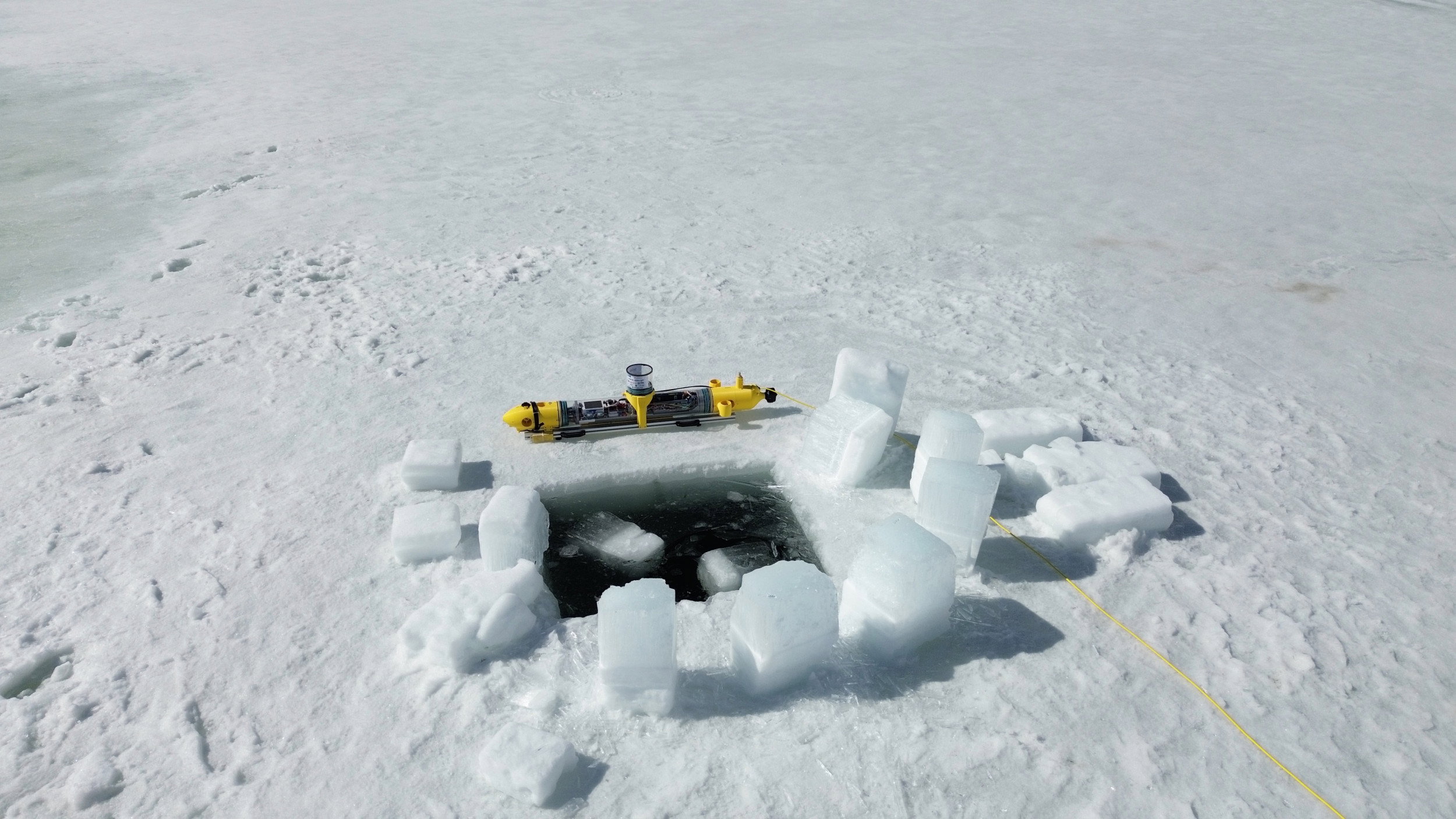
As part of the ETH Focus Project POLARIS, high-precision pressure sensors from KELLER Pressure are being used to measure ice thickness. As the follow-up project to SWARM, POLARIS is developing an autonomous underwater vehicle (AUV) designed to precisely measure the ice thickness of frozen lakes and navigate autonomously beneath the ice.
The motivation for the project stems directly from research: researchers from the Department of Earth and Planetary Sciences (D-EAPS) at ETH Zurich carried out manual ice-thickness measurements in St. Moritz last winter. This method is labour-intensive, provides only spot measurements and involves risks associated with walking on the ice. POLARIS is therefore intended to provide an automated and safe alternative.
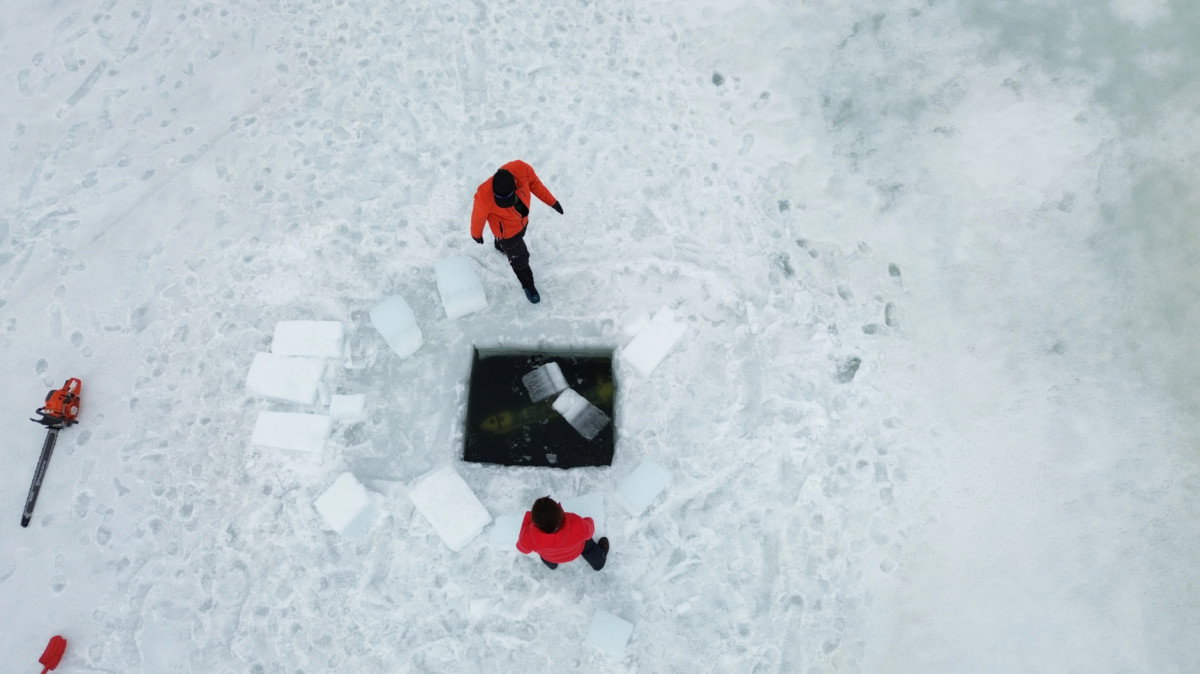
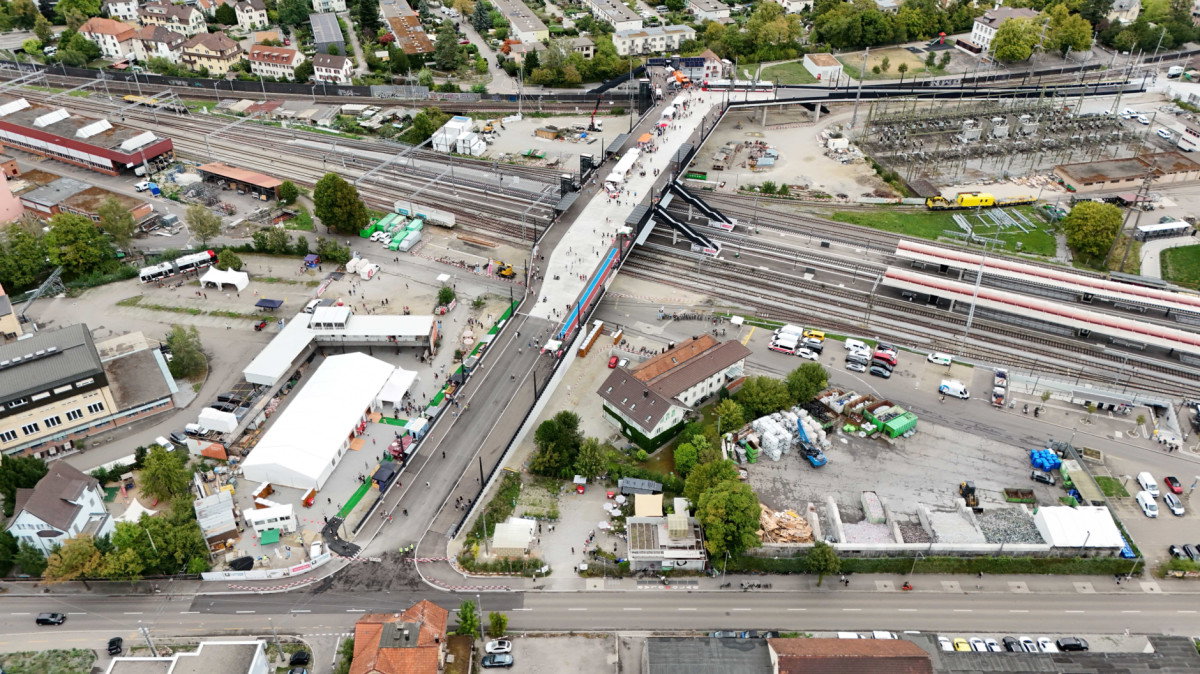
Drone image taken by POLARIS staff at the enctrance hole.
The measurement method is based on a combination of high-precision pressure measurement and Archimedes’ principle. The vehicle travels autonomously beneath the ice cover and makes contact with the underside of the ice at defined measurement points. The depth relative to the water surface is determined via pressure measurement and, taking into account the densities of ice and water, the local ice thickness is calculated from this.
The KELLER pressure sensors have already been used during several field campaigns in St. Moritz and at Schwarzsee near Zermatt. In St. Moritz, validation measurements were initially compared with manual reference measurements taken from core samples. This revealed an empirical standard deviation of around 1.46 cm with a theoretical total uncertainty of approximately 1.5 cm, indicating that the measured values corresponded very well with the theoretical model. During the subsequent field deployment at Schwarzsee, an area was surveyed for the first time and a full-scale measurement campaign was carried out using the system. In total, over 48,000 raw data points were recorded on a measurement grid, with the average ice thickness being approximately 68 cm.
Thanks to the high precision and stability of the KELLER Pressure sensors, consistent and physically plausible measurements were recorded throughout the campaign under real alpine environmental conditions. The sensors formed the basis for determining depth, validating the data and carrying out statistical analysis of the measurement data.
At the heart of the measurement process is the 26X series pressure level probe. It records the hydrostatic pressure on the underside of the ice with very high accuracy, which is a prerequisite for resolving ice thickness down to the centimetre range. As the entire method is based on pressure measurement, any deviation in the sensor directly affects the result. The probe’s long-term stability and low temperature dependence were therefore just as crucial as the sheer accuracy of the measurement, particularly under the changing conditions of an alpine field deployment.
TextPart-7
Jared Krause
Präsident ARIS