A Look Behind the Scenes: What visitors don’t see at the Musikfestwochen
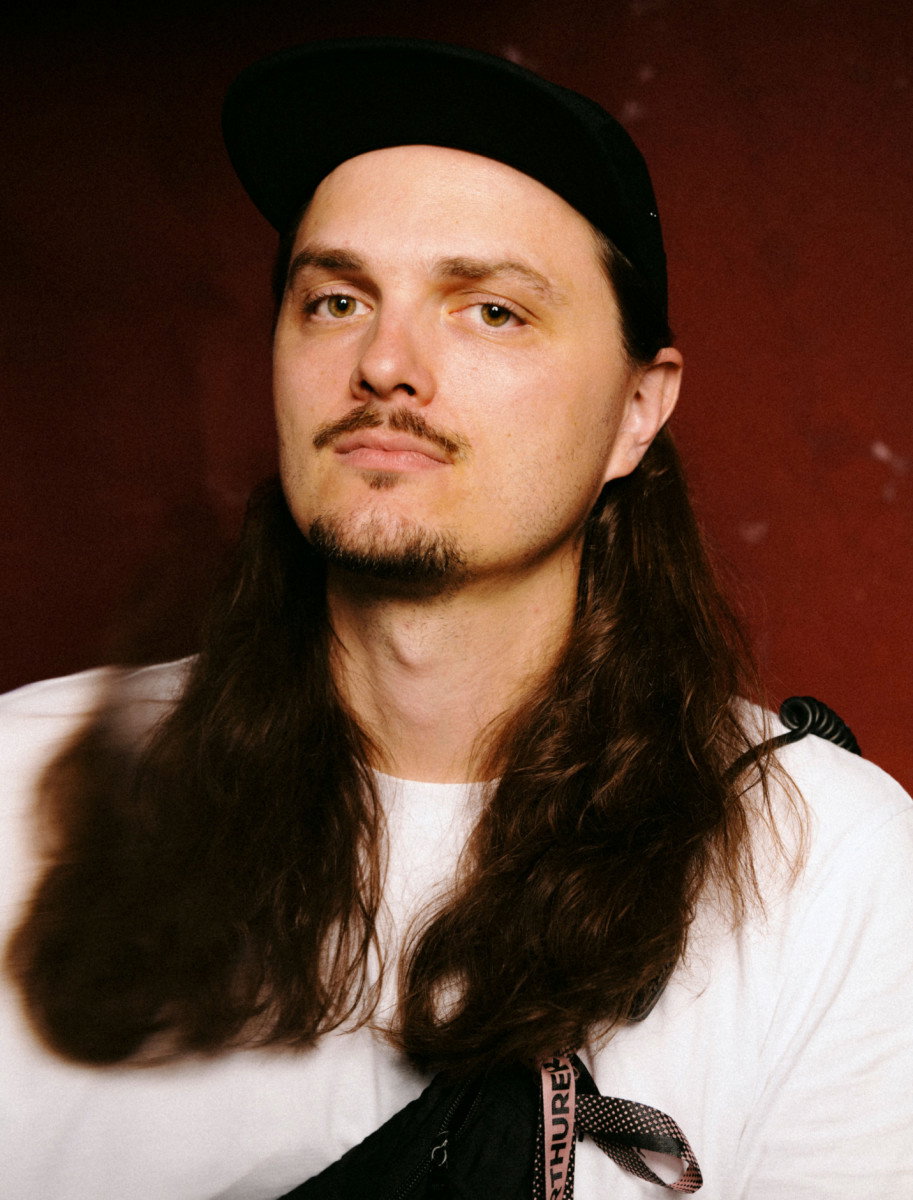
Nik Müller-Crepon
01. October 2026
01. October 2026
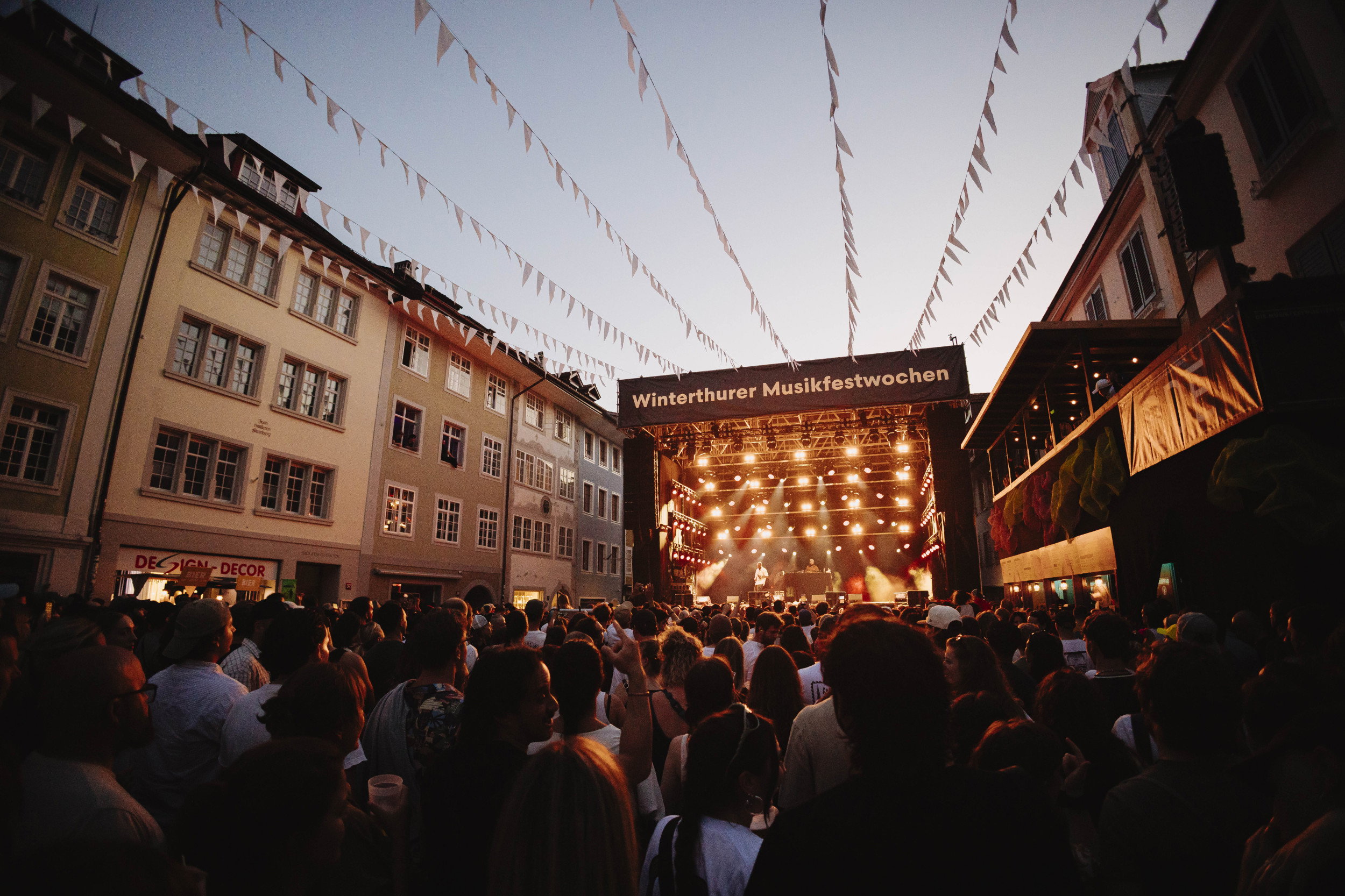
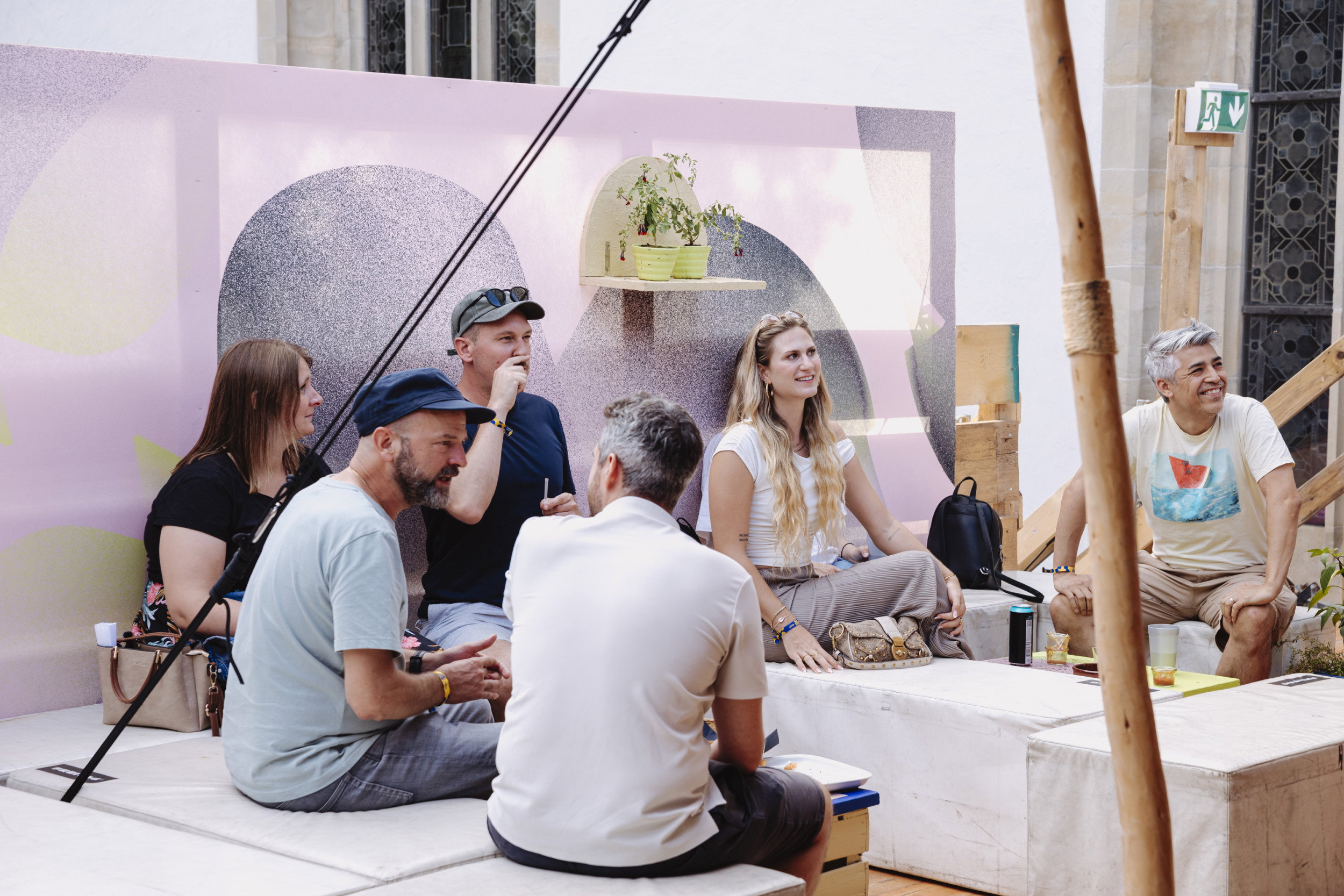
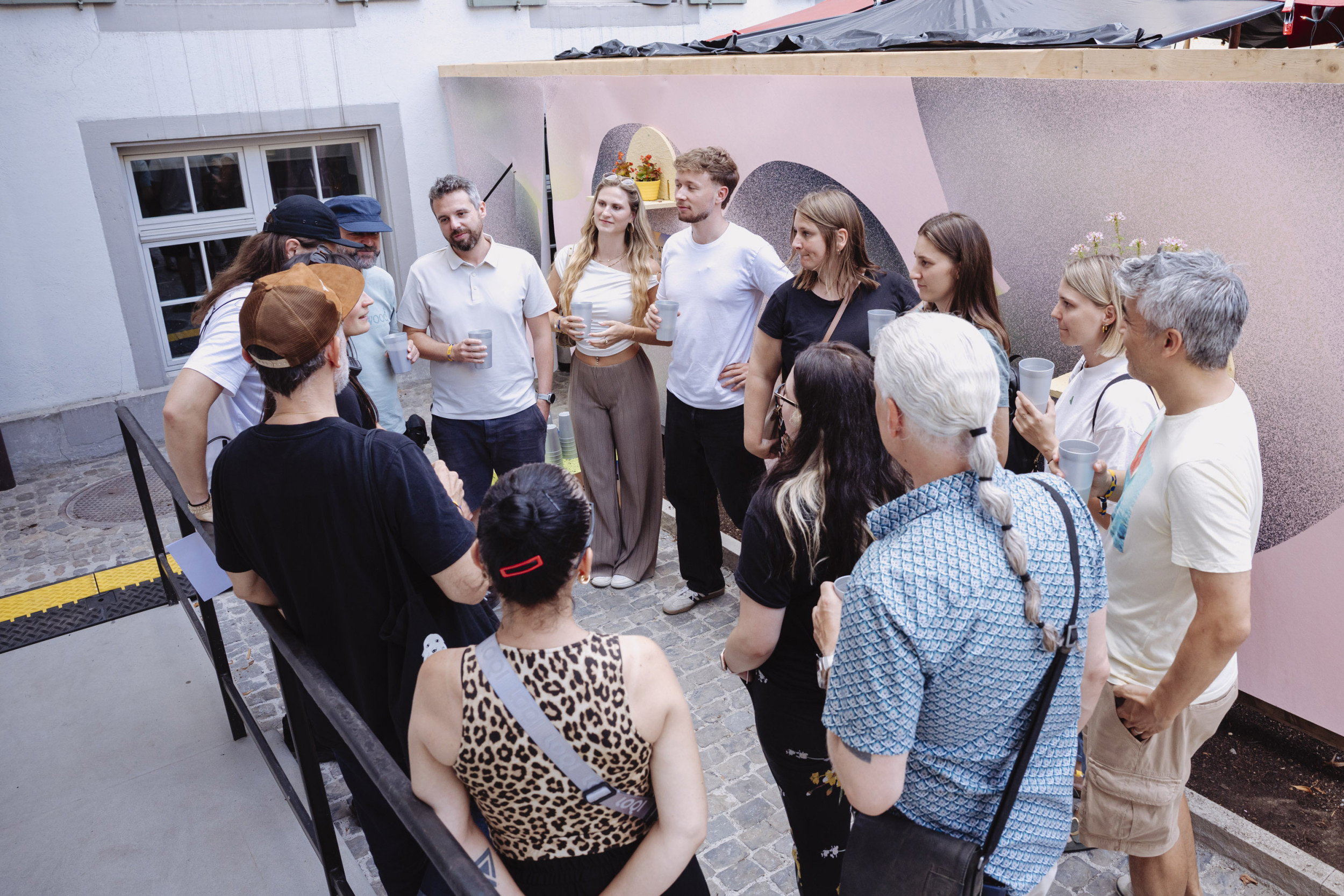
As a partner of the Winterthur Musikfestwochen, we were given a special glimpse behind the scenes of the festival this year. Together with our staff, we enjoyed an exclusive guided tour of the festival grounds and rounded off the evening with some fantastic music. It soon became clear that there is far more to the twelve-day festival than visitors realise at first glance.
Nik Müller-Crepon, co-director of the Winterthur Music Festival, explains in this blog post why the festival keeps everyone busy all year round and what an impressive amount of work goes into organising it.
There’s one question we hear time and time again: ‘Do you actually do this job all year round?’ I understand where the question comes from. Anyone who attends the Musikfestwochen experiences twelve days of festival. Stages, concerts, people, food, drink, encounters. And at some point you go home and perhaps think: That’s it.
Not for us, of course. No sooner has the last concert finished than the next round actually begins. Because behind these twelve days lies a whole annual cycle and an astonishing amount of work that you hardly ever see during the festival itself.
The work begins when the festival ends
After the final concert, it’s time to take a breather – but not for long. In the autumn, we sit down together, look back, evaluate, and discuss what went well and where we can improve. Then we carry on straight away: budget planning, permits, staffing, processes, new ideas, coordination and quite a few meetings. For us, therefore, winter and spring are by no means a time for hibernation.
The Musikfestwochen operate a bit like a giant clockwork mechanism. Many small cogs mesh together, each department has its tasks, and in the end everything has to work in unison. It is precisely this meticulous work that visitors hardly ever see. And perhaps that is even a good sign.

Nik Müller-Crepon
Co-Director Winterthurer Musikfestwochen
«Behind every stage, every concert and every special moment lies a whole year’s worth of people working together to make something happen.»
Impressive figures. Even more impressive: the people behind them.
A few figures illustrate the scale of the festival:
- 60,000 visitors
- 30,000 hours of voluntary work
- 1,200 volunteers
- 228 partners
- 129 programme highlights
- 14 stages
- 12 days of the festival, 9 of which are free
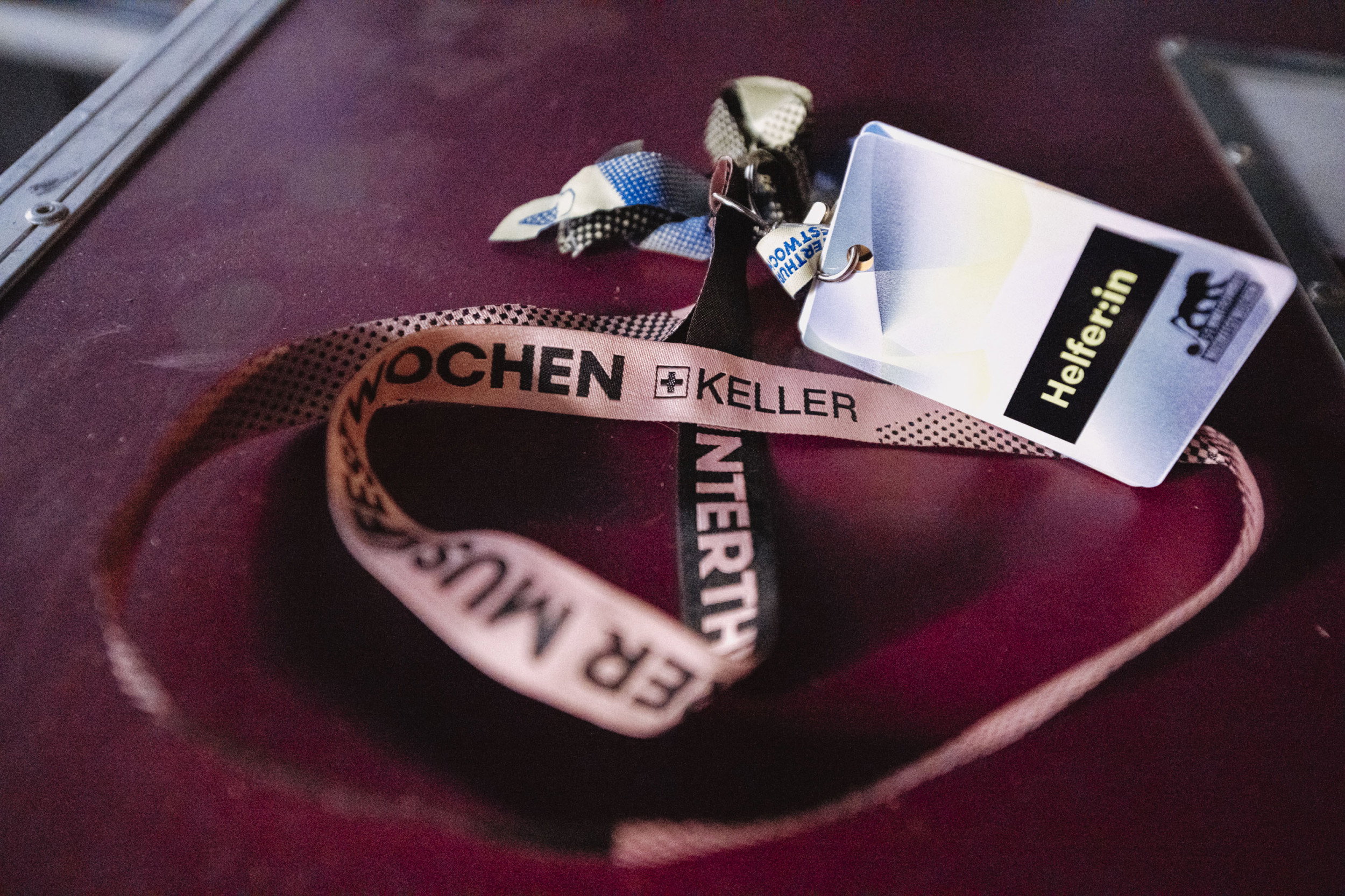
On top of that, there are three weeks of set-up, two weeks of dismantling, and an organisational model that particularly impressed me as a newcomer to the area. Apart from the seven-strong office team, who share a total of 420 per cent of a full-time position, virtually the entire festival is run by volunteers. An eight-member executive committee, around 50 organising committee members and over 1,200 helpers collectively shoulder the bulk of the work.
What particularly fascinates me is how seamlessly this system works. The individual departments operate with incredible autonomy, decisions interlock, and thanks to years of experience, much of it runs astonishingly smoothly. This year marks the 51st edition and it is precisely this continuous development that you can sense in every area.
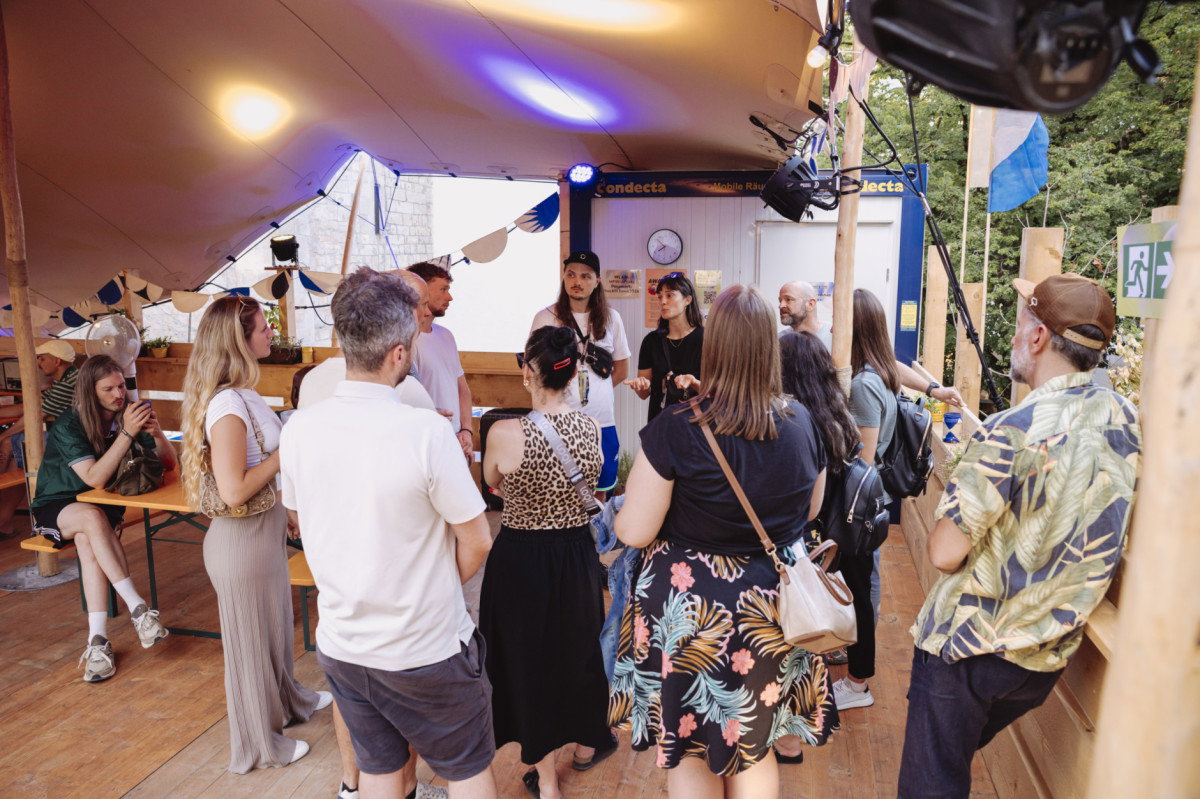
Backstage tour
A festival right in the heart of the city
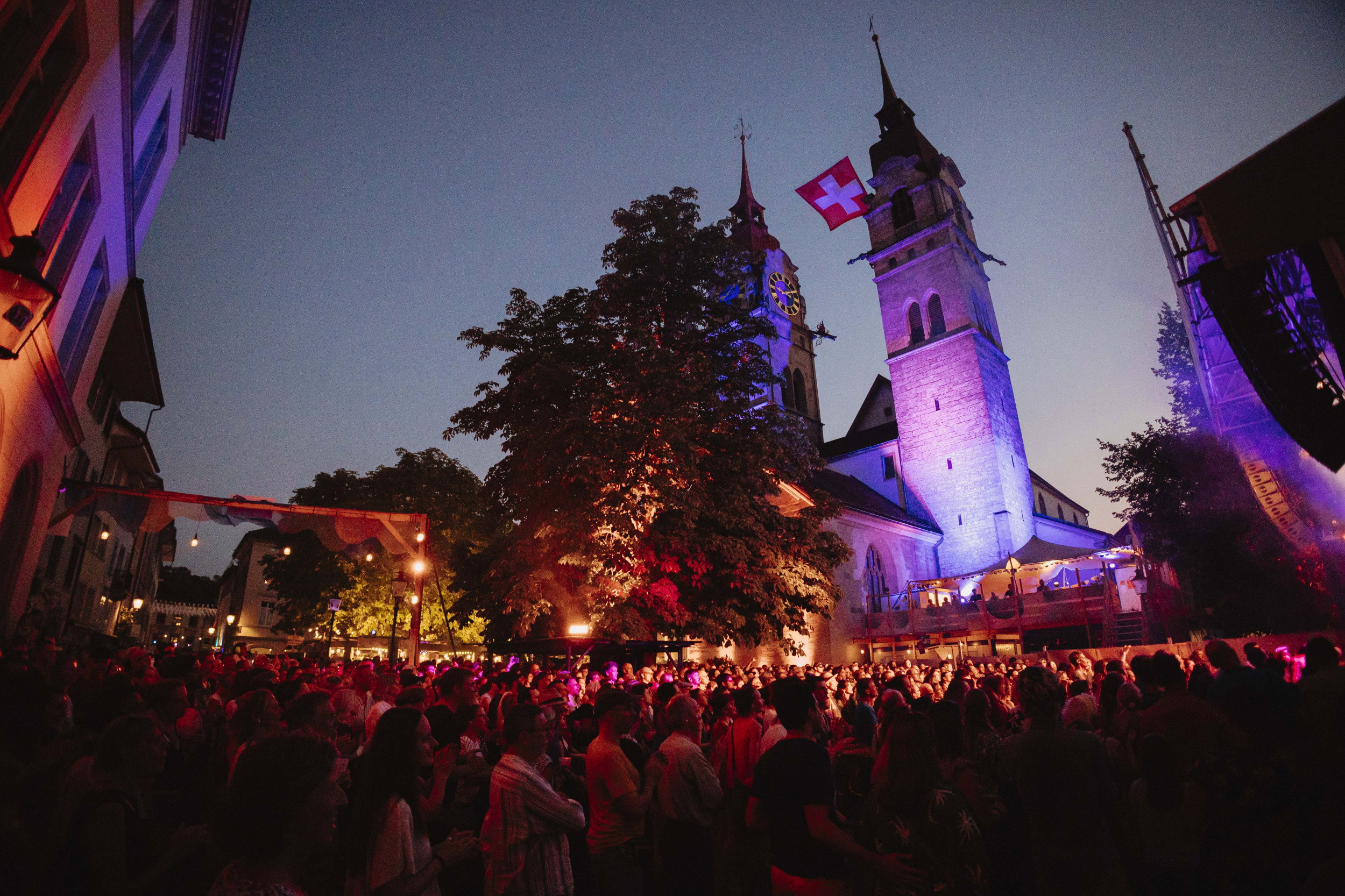
The Musikfestwochen do not have a festival site somewhere on the outskirts of the city. Our festival takes place right in the heart of Winterthur’s old town. And that is precisely what makes up a large part of the magic. But it’s also a big part of the work: we liaise with local residents, businesses, market traders, the authorities and countless partners. We respond to sudden changes in the weather, heat, technical challenges and things that simply cannot be planned for in advance. Sometimes it’s a small thing that suddenly becomes quite a big deal. And sometimes things change very slowly.
A good example of this is our mineral water: in 2026, more than 5,300 litres of sparkling water were sold. In 2023, the figure was still around 3,700 litres. At the same time, alcohol consumption has been falling noticeably for several years.
Changes like these might not be the first thing that springs to mind when you think of a festival. But they’re important to us. Because they show that a festival changes along with its audience and that we need to pay close attention.
When things get really hectic
Pressure comes in all sorts of forms at the Musikfestwochen. For the infrastructure team, for example, things really get going three weeks before the festival begins. That’s when the set-up begins and the schedule is tight. In the booking department, on the other hand, you always have to be prepared for something to come up. This year, too, we had to replace two acts, fortunately, neither were headliners.
The greatest collective pressure, however, stems from something quite different: our annual cycle. Everyone works towards these twelve days. And much of what stands out during the festival cannot simply be changed next week. There is no ‘next week’, you see. By then, the festival is over. That’s why the months leading up to it are so important. Whilst we’re preparing, we can think things through, discuss, try things out and find solutions.
And then it all kicks off. From that moment on, we’re in festival mode. Then it’s less about planning and more about reacting. Something always happens. The only question is, what?
So what helps then?
Quite simply: teamwork.
At the Musikfestwochen, people help each other out even when something isn’t actually part of their own remit. Suddenly, someone is having a discussion at an entrance with a disappointed guest who can no longer get onto the site. Someone else is doing the final round of checks before the bars close. And somewhere, supplies need to be organised on the side. Everyone is pulling in the same direction.
It’s at times like these that you realise just how important mutual understanding and open communication are. And at the same time, something wonderful happens: you realise why you’re doing all this. When you see just how important the Musikfestwochen are to Winterthur and the sheer passion with which so many people are involved, it creates a profound sense of responsibility. That carries you through even the most intense moments.
The moment when everything falls into place
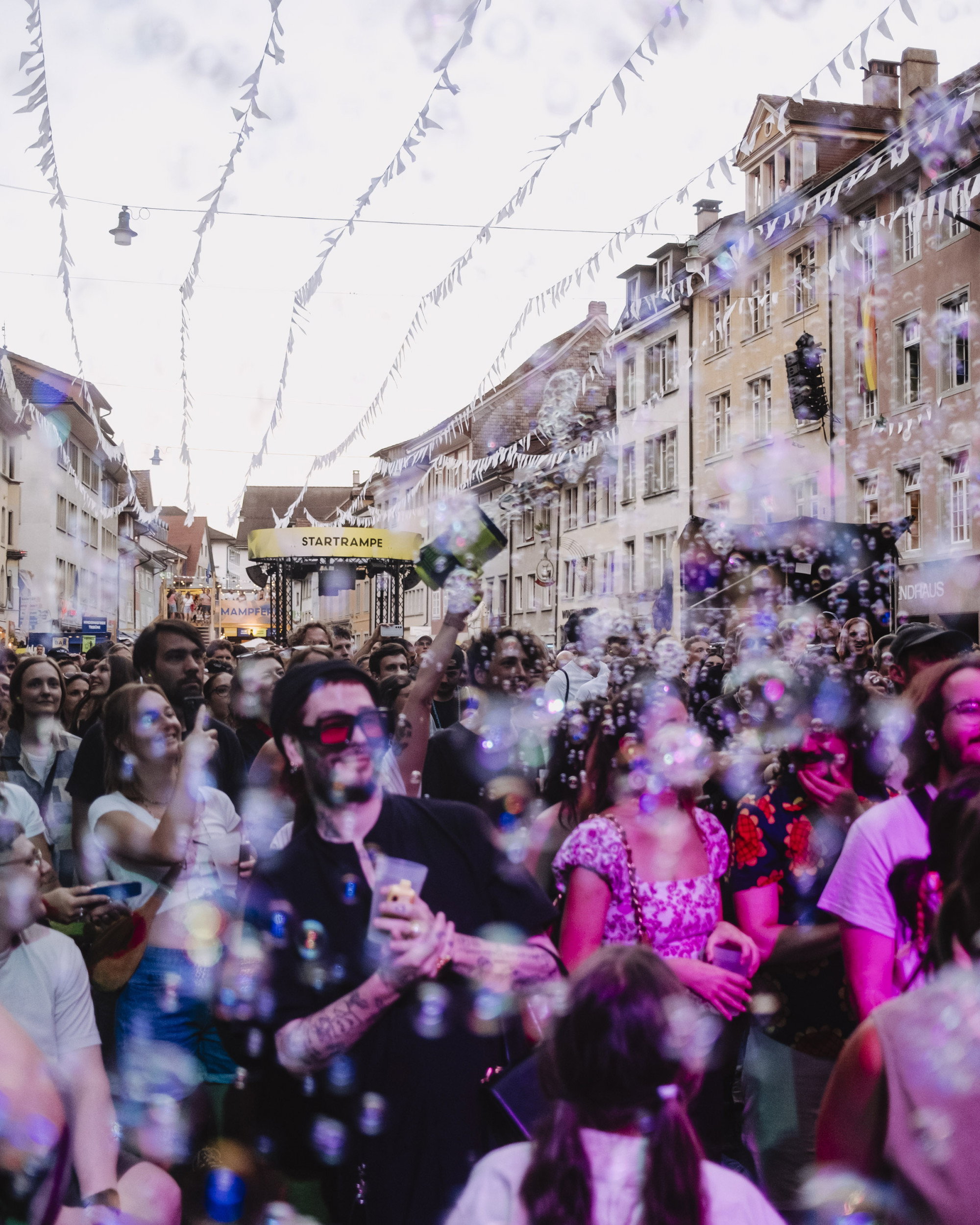
There’s a moment that’s special all over again every year. The concert begins. People come together. The music starts. And suddenly, everything falls into place. What had previously consisted of months of emails, meetings, plans, phone calls, decisions, set-up work and a thousand little tasks is suddenly right there in front of you. On stage and in front of it. Then it becomes clear what hundreds of people have been working towards.
It’s an incredible feeling. Everywhere you look, there are people who have played their part in making this very moment possible. And suddenly, all the little cogs come together to form a greater whole. Perhaps you feel this most strongly towards the end of the festival. When your energy has long since run out, yet you still don’t want to go home. Because you’re right in the thick of it with all the people who have helped create this special world.
More than twelve days
I’m incredibly grateful and proud to be able to play a part in the Musikfestwochen. Of course, I already knew beforehand just how important this festival is for Winterthur. But it was only behind the scenes that I realised just how much actually goes into it. How many people invest their time, their ideas and their energy so that these twelve days can take place at all.
And that’s exactly what I find so special: anyone can be part of it.
You can contribute your own strengths, take on responsibility, learn new things, get to know people and become part of a community that extends far beyond the twelve days of the festival. Perhaps, in the end, that is the most wonderful thing about the Musikfestwochen: behind every stage, every concert and every special moment lies a whole year’s worth of people working together to make something happen. Something that is greater than any one individual. And which then belongs to the whole city for twelve days.
Nik Müller-Crepon
Co-Director Winterthurer Musikfestwochen