A dancing bridge for Winterthur
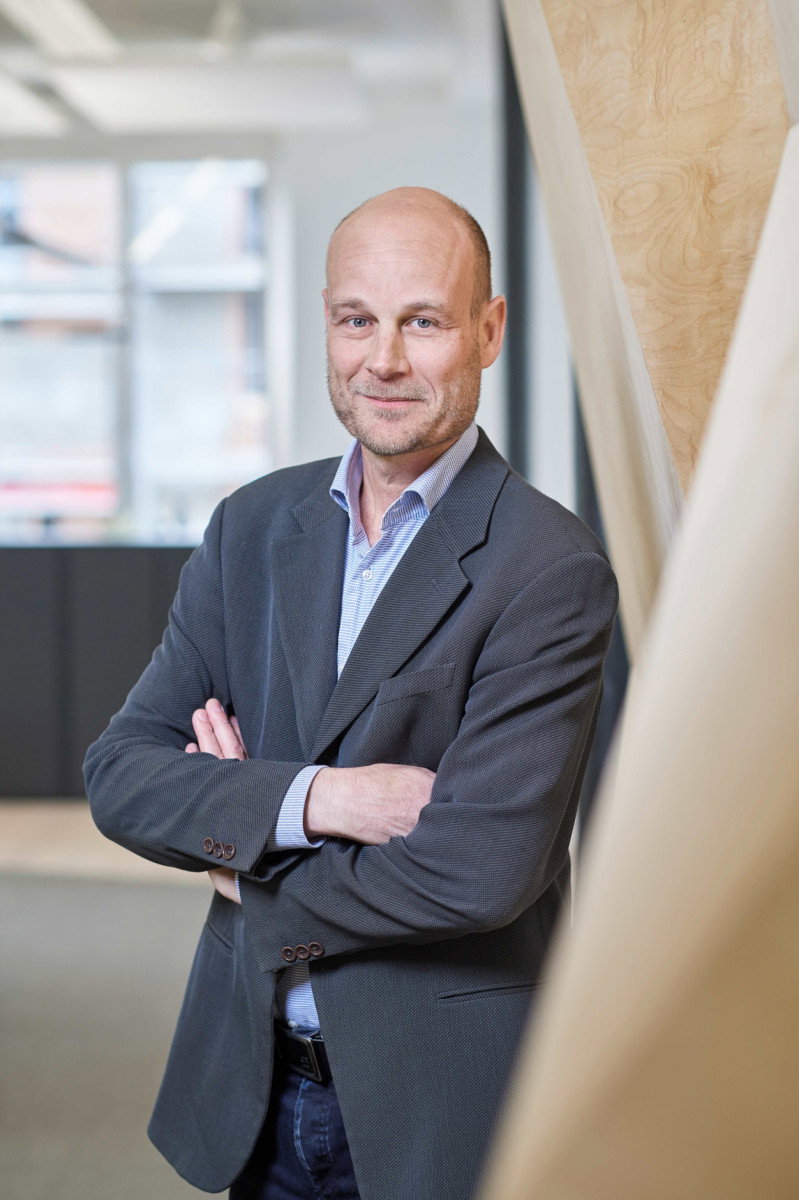
Martin Joos
06. October 2026
06. October 2026
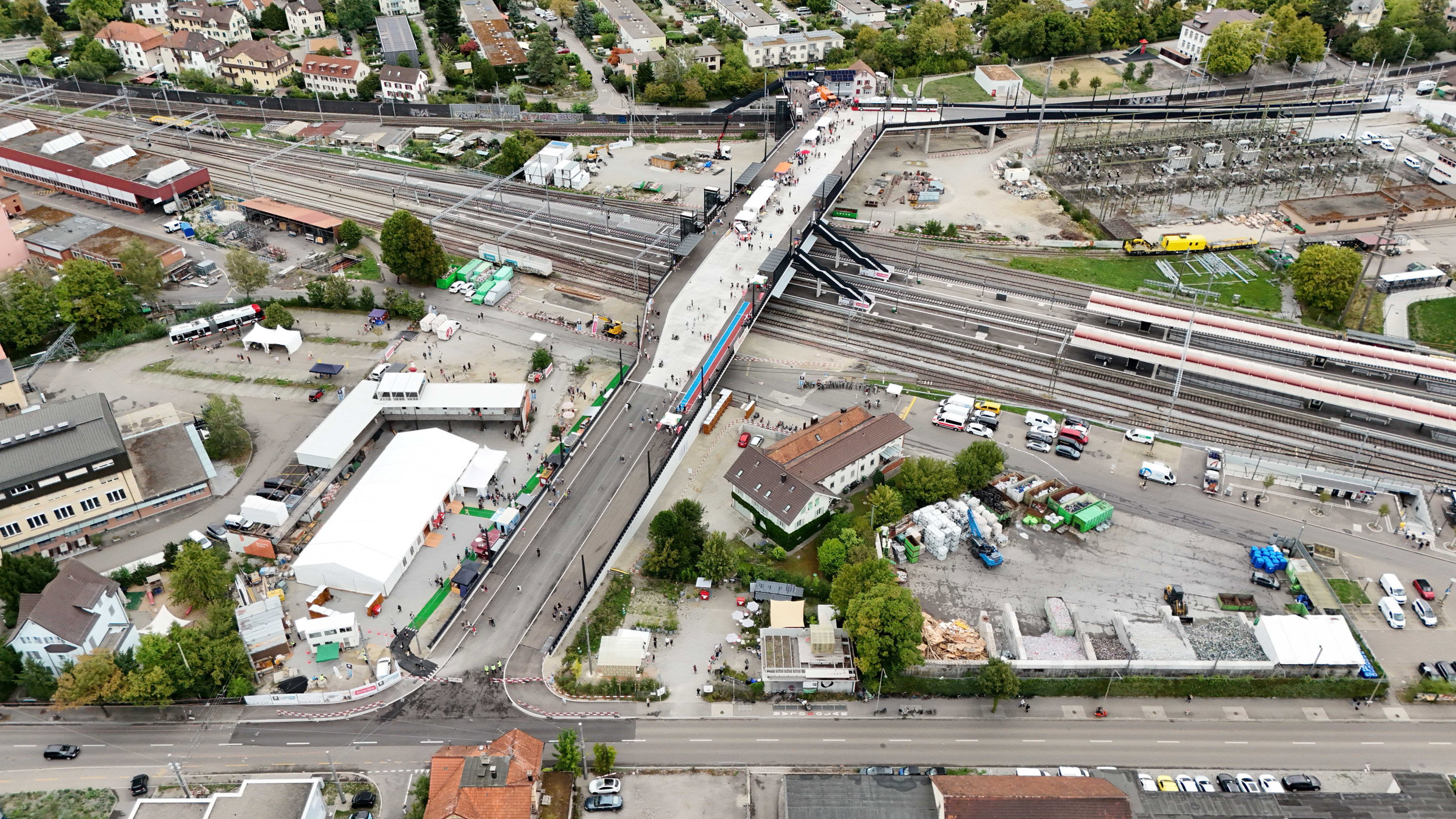
After 3.5 years, the moment has finally arrived. The new Leonie Moser Bridge has been officially opened and connects the Neuhegi and Grüze neighbourhoods in Winterthur. Martin Joos, the city engineer at Winterthur’s Civil Engineering Department, organised the two-week opening event in the neighbourhood of KELLER Pressure. Together, we look back on a spectacular celebration and an impressive construction phase.
An event that brings Winterthur together
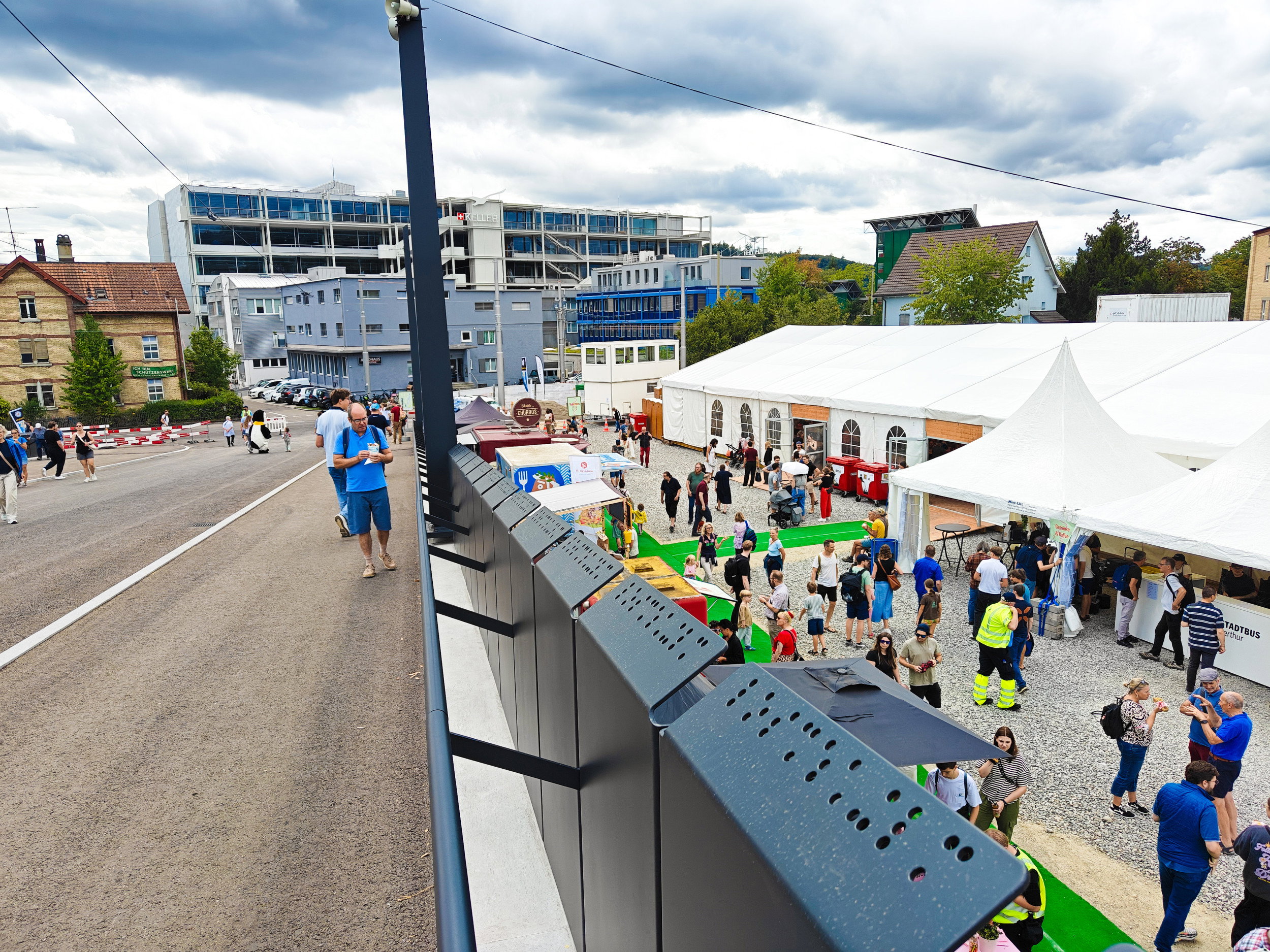
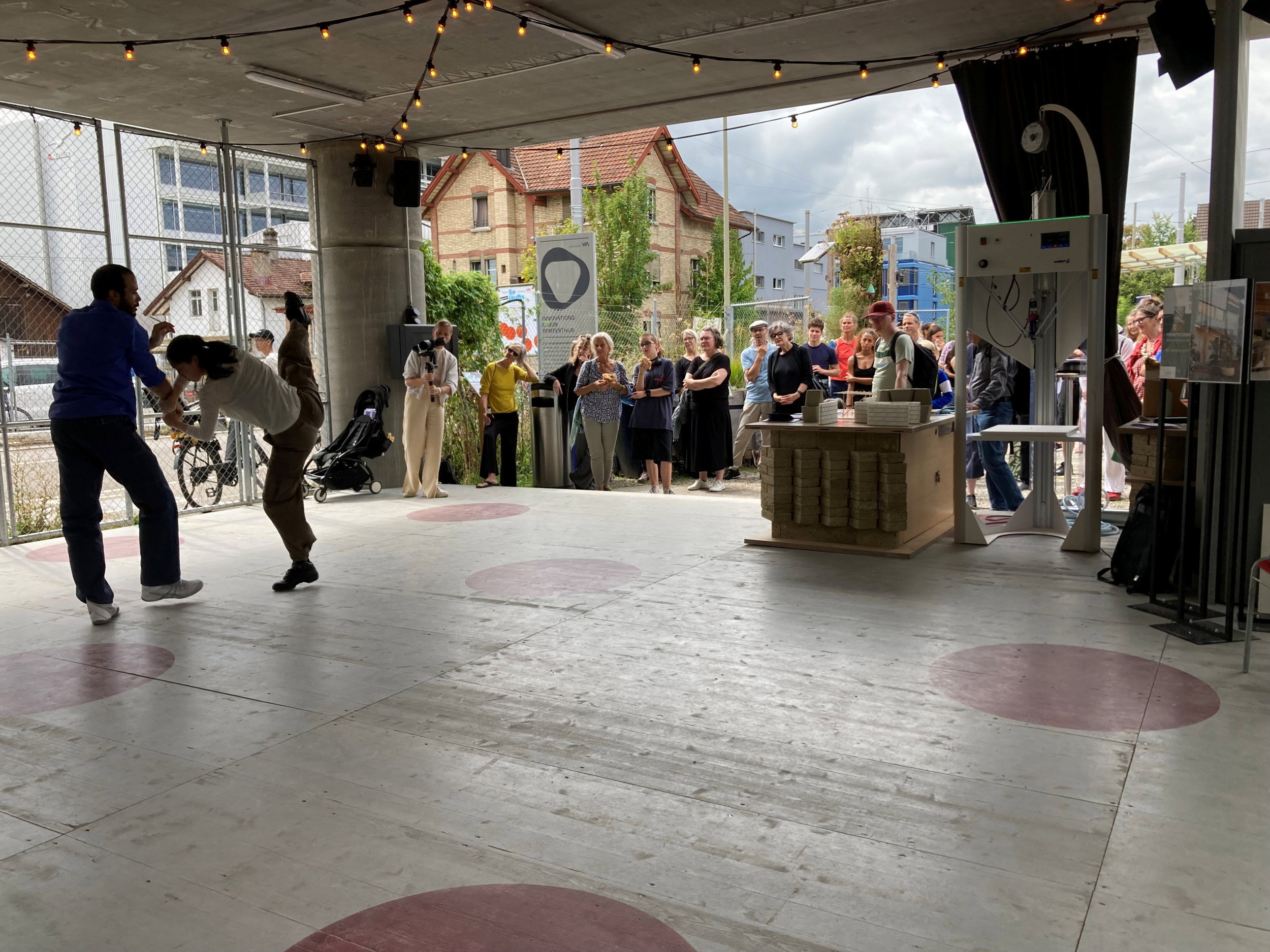
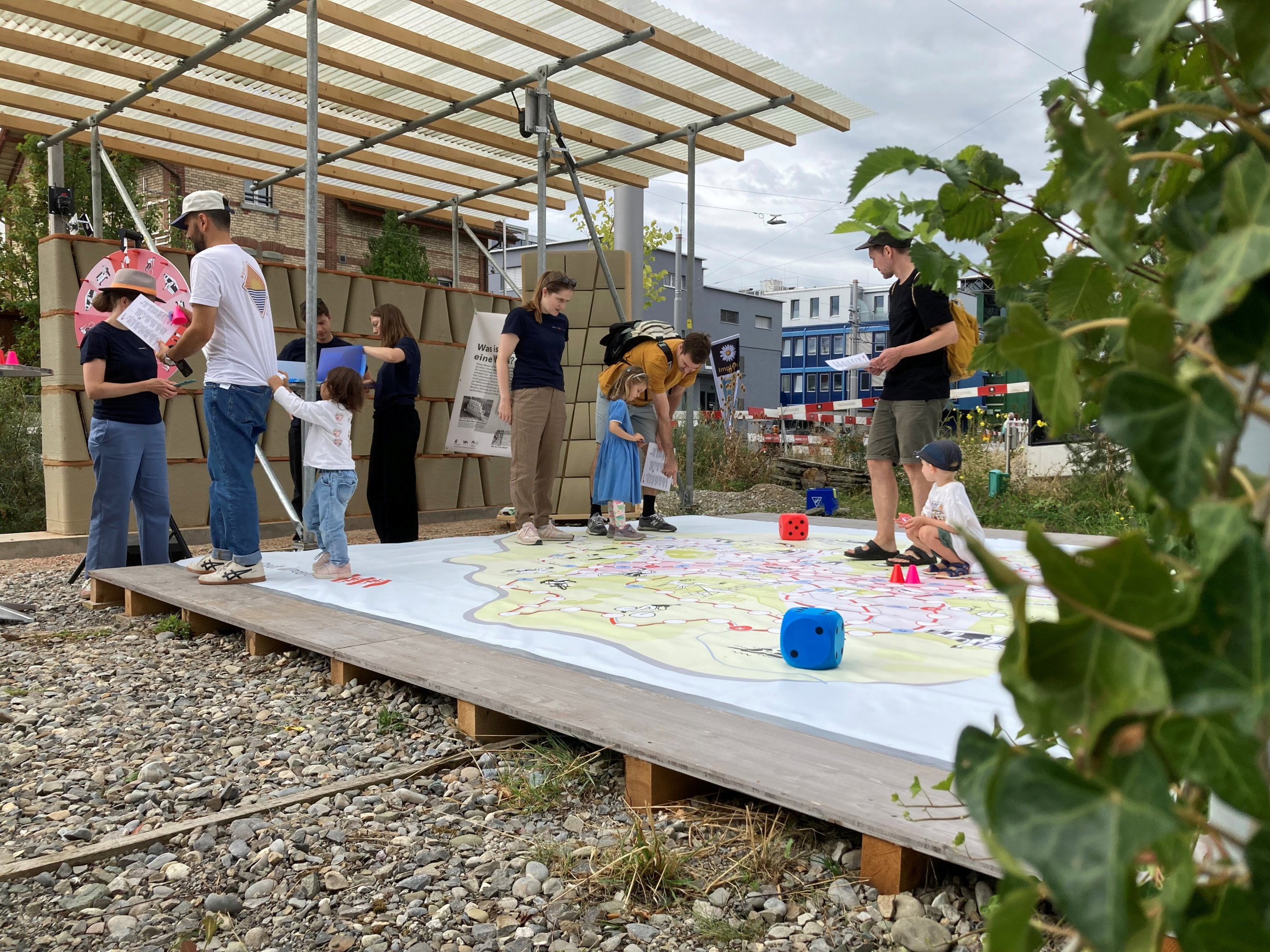
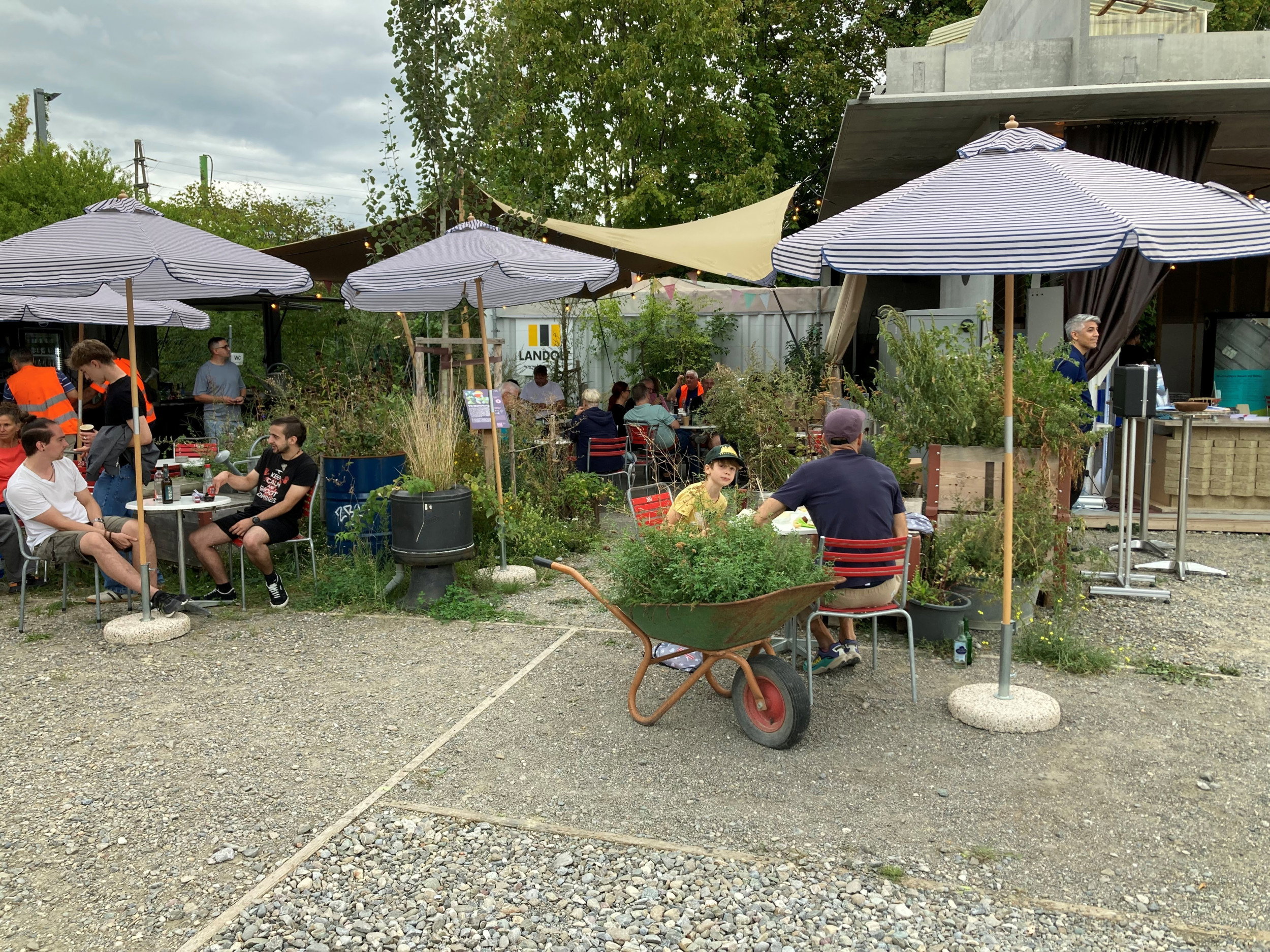
On the first day of the opening celebrations – the public day on 5 September 2026 – perfect weather and a wide-ranging programme ensured that around 5,000 visitors made their way to the Leonie Moser Bridge. Families took the opportunity for a day out, friends met up on the new bridge, and experts learnt about the city’s development plans. In between, surprise flash mobs by the Zurich Ballet provided some special moments. People were able to explore the bridge for the first time on foot, with pushchairs, by bike or on a scooter. Those who were lucky enough – or patient enough – managed to secure a seat on the new Grüze city bus and were able to travel across the bridge into the neighbourhood.
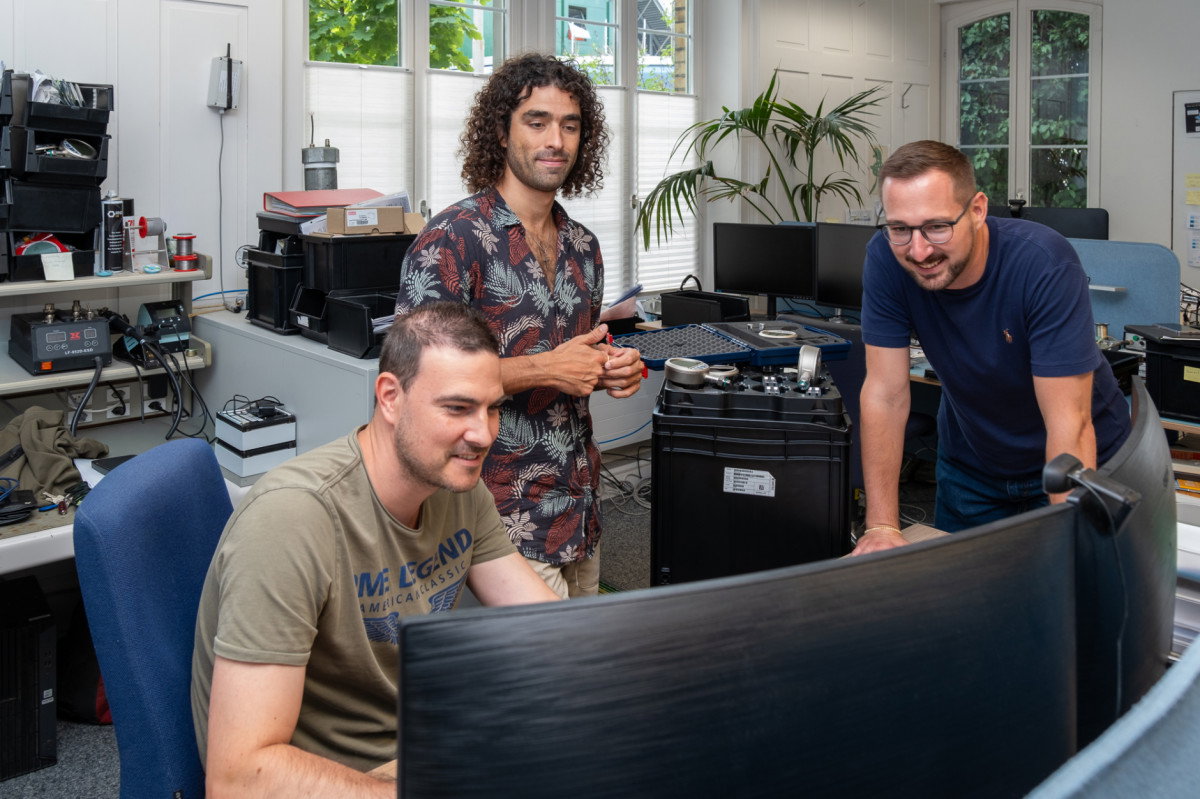
At numerous stands, visitors were given fascinating insights into the construction of the new bridge. In the innovation lab, they were also able to learn more about urban development in Winterthur. There, the Civil Engineering Department, in collaboration with industry and research organisations, is testing pioneering technologies and new applications in civil and structural engineering. KELLER Pressure has been a key industrial partner for these developments since 2024 and is an integral part of the innovation lab. KELLER Pressure has installed a rain gauge with pressure sensors there, which continuously measures and records precipitation. On the public open day, members of the public were able to learn more about this collaboration and the latest applications in sensor technology from the two KELLER Pressure development engineers, Sebastian Mojado and Christian Gysel.
Who was Leonie Moser?
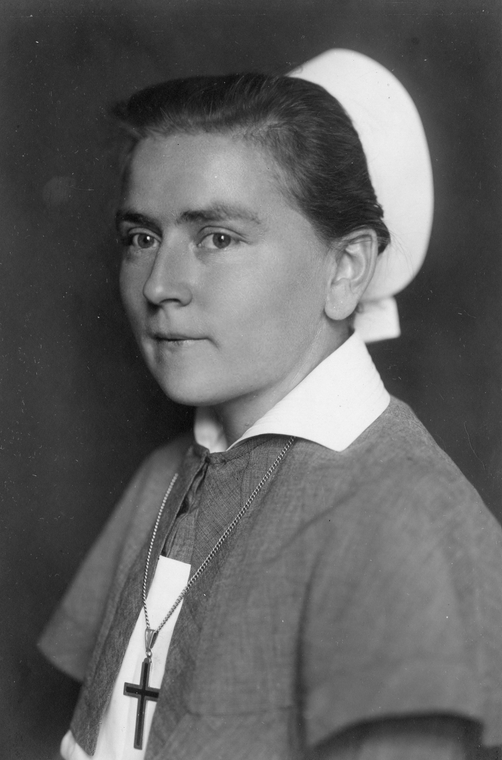
Leonie Moser was a pioneer in X-ray technology and a long-serving member of staff at Winterthur Cantonal Hospital. Originally from Glarus, she spent most of her life in Winterthur and died of leukaemia in 1959. She was the last Swiss woman to be entered in the roll of honour for medical staff who died as a result of exposure to X-rays. The city of Winterthur honours her achievements and life’s work by dedicating this bridge to her.
A project for the future and the local community
Building a bridge is like the tip of an iceberg – long before construction begins and anything becomes visible, master plans must be drawn up and planning processes initiated. This process began as early as 1995 and progressed rapidly until construction began in January 2023.
The opening of the Leonie Moser Bridge marks the first milestone in the development of the Neuhegi-Grüze supra-regional centre. The integration of the city’s bus network with the SBB network lays the foundation for a sustainable future for the area, benefiting the local community as well as commerce and industry. The Neuhegi and Grüze neighbourhoods will benefit from significantly improved public transport links. In addition, this will relieve pressure on the main station and free up capacity for future expansion.
In the medium term, the Deutweg sports centre will also be directly connected to the Grüze transport hub by a bus service. As well as serving bus services, the bridge will also provide cyclists and pedestrians with shorter and quicker routes.
Winterthur will continue to grow in the coming years and decades. By 2040, the city expects to have around 135,000 residents and over 30,000 more jobs than today. So-called priority areas, such as Grüze, are growing at a disproportionately higher rate compared with the rest of the city. For this reason, the area around Grüze station will undergo significant structural changes in the coming years. The area offers great potential for densification, the establishment of commercial enterprises and additional housing. This is firmly enshrined in the city’s structural plan, and the first construction projects are already in the planning stage. The new Diamant building by KELLER Pressure forms the first piece of the jigsaw in this redevelopment and offers a glimpse of where the development might be heading.
KELLER Pressure in dialogue with the local community
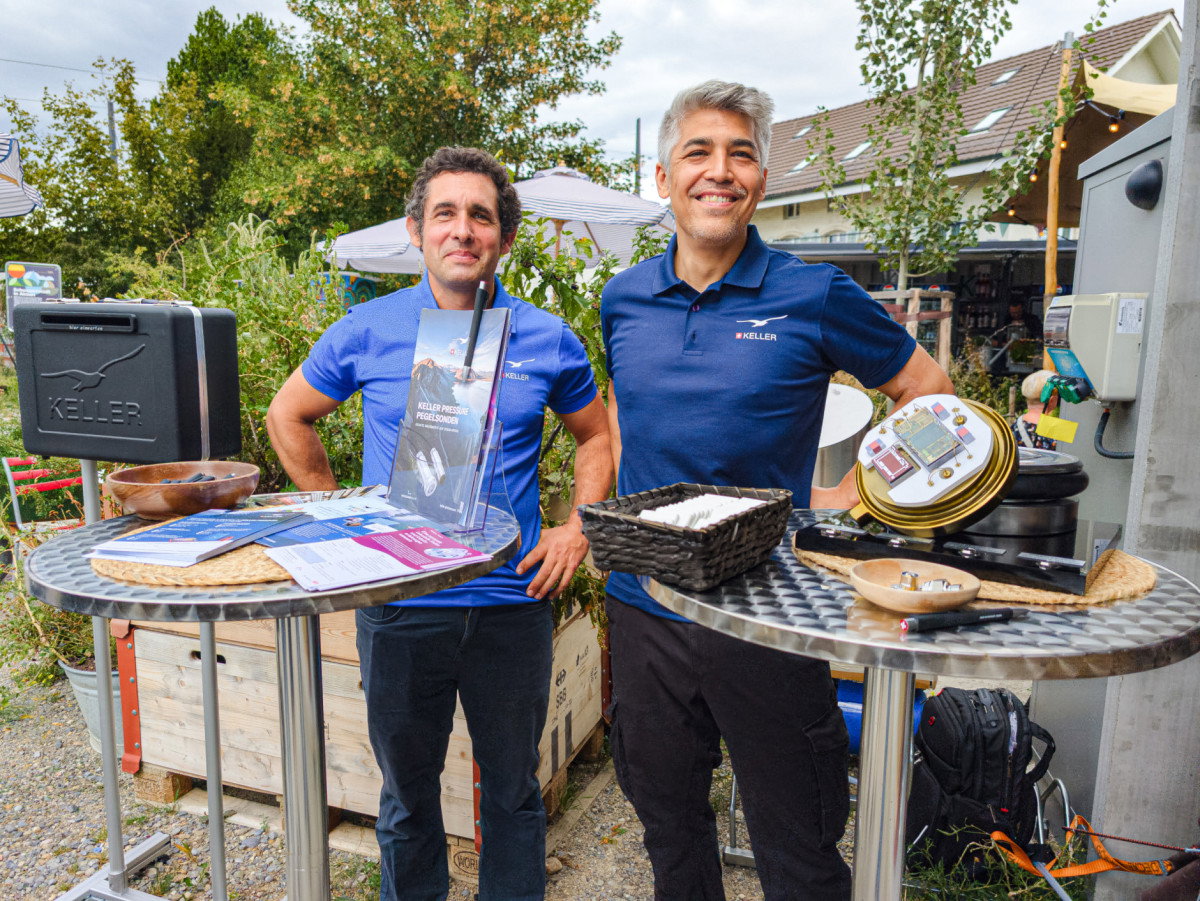
A key reason for taking part was the new ‘Diamant’ building, which is clearly visible from the Leonie Moser Bridge. With this new building, KELLER Pressure will have an even greater presence in the neighbourhood. The event therefore provided a good opportunity to engage with local residents and inform them about the plans for the site.
The competition at the stand proved a popular attraction and led to many personal encounters. As well as technical discussions with engineers, the two developers also answered questions from local residents: When will the move to the ‘Diamant’ take place? And, above all: ‘What exactly does KELLER Pressure do?’ Many guests were surprised to learn that around 450 employees at the headquarters in Winterthur develop and manufacture high-precision pressure measurement technology for the global market.
Sebastian, on the right in the photo: «KELLER Pressure is known to many as the main sponsor of FC Winterthur. The fact that the company is also one of Winterthur’s largest industrial employers came as a surprise to many visitors.»
Children and parents also found out about various apprenticeship opportunities and about the ‘Future Day’ event at KELLER Pressure. Christian Gysel, a trainer for electronics apprentices, was able to answer their questions directly:
Christian, on the left in the picture: «The interest in technical careers was very encouraging. Encounters like this show young people just how versatile and forward-looking an apprenticeship in electronics is.»
«Collaboration with industry and the research sector is of central importance to the city. We want to work with experts from the field to develop sustainable solutions for the city. The regular exchanges with KELLER Pressure and our joint projects are a real pleasure.»
Martin Joos
City Engineer, Civil Engineering Department, Winterthur
Further blog posts
10/2026
Blog
A Look Behind the Scenes: What visitors don’t see at the Musikfestwochen
Sponsoring

09/2026
Blog
Precision Meets Durability: The New Digital Pressure Gauge for Demanding Applications
Productmanagement