Behind the Scenes of the New LEO Ultimate

David Schwenter
25. август 2026
25. август 2026
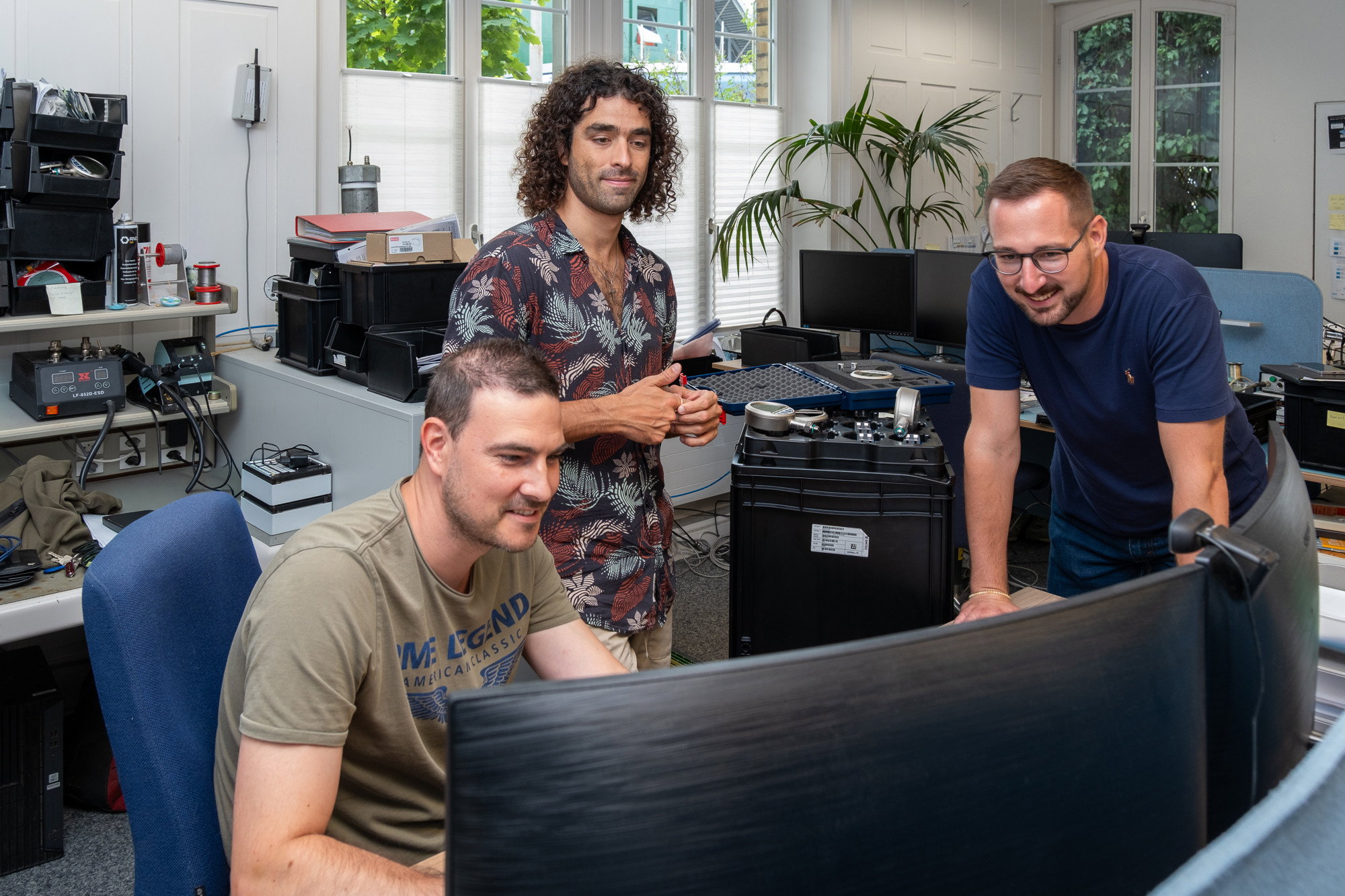
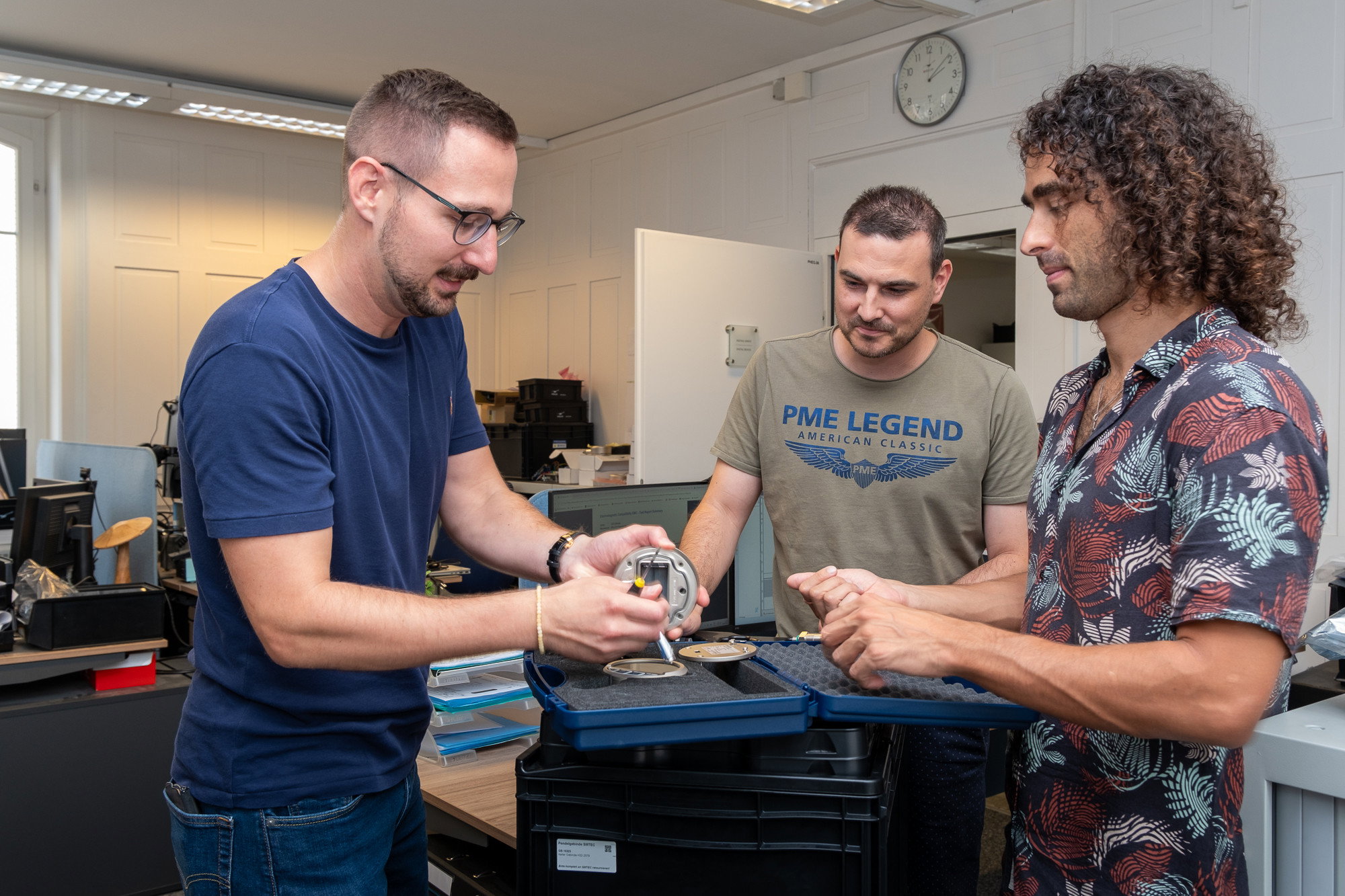
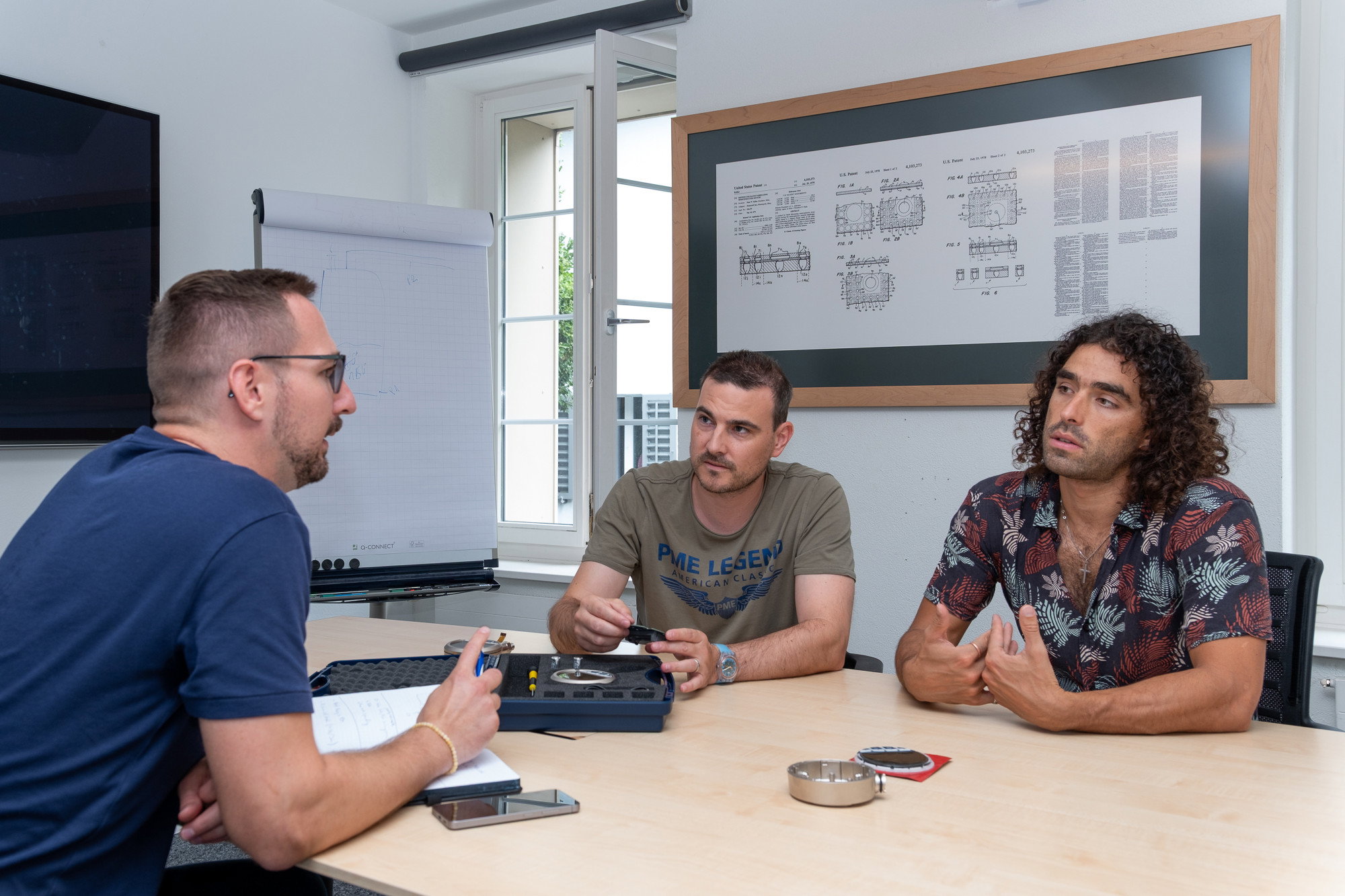
On September 1, KELLER Pressure will introduce the next generation of its digital manometers. But before a new product reaches the market, countless decisions, technical challenges, and intensive development work take place behind the scenes. Together with project manager David Schwenter and developers Pascal Schlegel and Francisco Dumont, we take a look behind the scenes of the new LEO Ultimate. In this interview, they share how an initial idea evolved into a new measuring instrument and the challenges the project team encountered along the way.
From vision to project
When the future of KELLER Pressure’s pressure gauge portfolio was being discussed, it quickly became clear that this was not simply to be ‘just another product’.
«The LEO Ultimate is part of our strategic direction for the future pressure gauge portfolio.»
David Schwenter,
Projektmanager LEO Ultimate
The vision was ambitious. The aim was to combine various functions whilst creating a product that would meet users’ high standards. However, it was a long road to get there, characterised by intensive development work, testing and numerous adjustments.
For project manager David Schwenter, the priority from the outset was to channel the many ideas, requirements and expectations into a clear direction. «The decisive factor in the early project phase was to develop a technically feasible, shared vision across all departments involved.»
This was no easy task. After all, many departments were working on the same project, and each brought its own perspectives and requirements to the table.
Looking back, David describes precisely this coordination as one of the most demanding tasks: «The biggest challenge was to align all stakeholders with a shared vision over an extended period in this interdisciplinary project.»
The technical journey to the new LEO Ultimate
Whilst the project management team maintained an overview, the development team worked on the technical foundations of the product.
Pascal Schlegel, who has been with the company for several years, was directly involved in many of these developments. His remit ranged from the electronics and Bluetooth functions, through firmware testing, to regulatory approvals and the transition to series production.
Numerous technical decisions had to be made even in the early stages of the project.

«Selecting the right suppliers, evaluating the electronic components, and choosing the display, Bluetooth module and memory were crucial foundations for the project’s subsequent progress.»
Pascal Schlegel,
Development Engineer
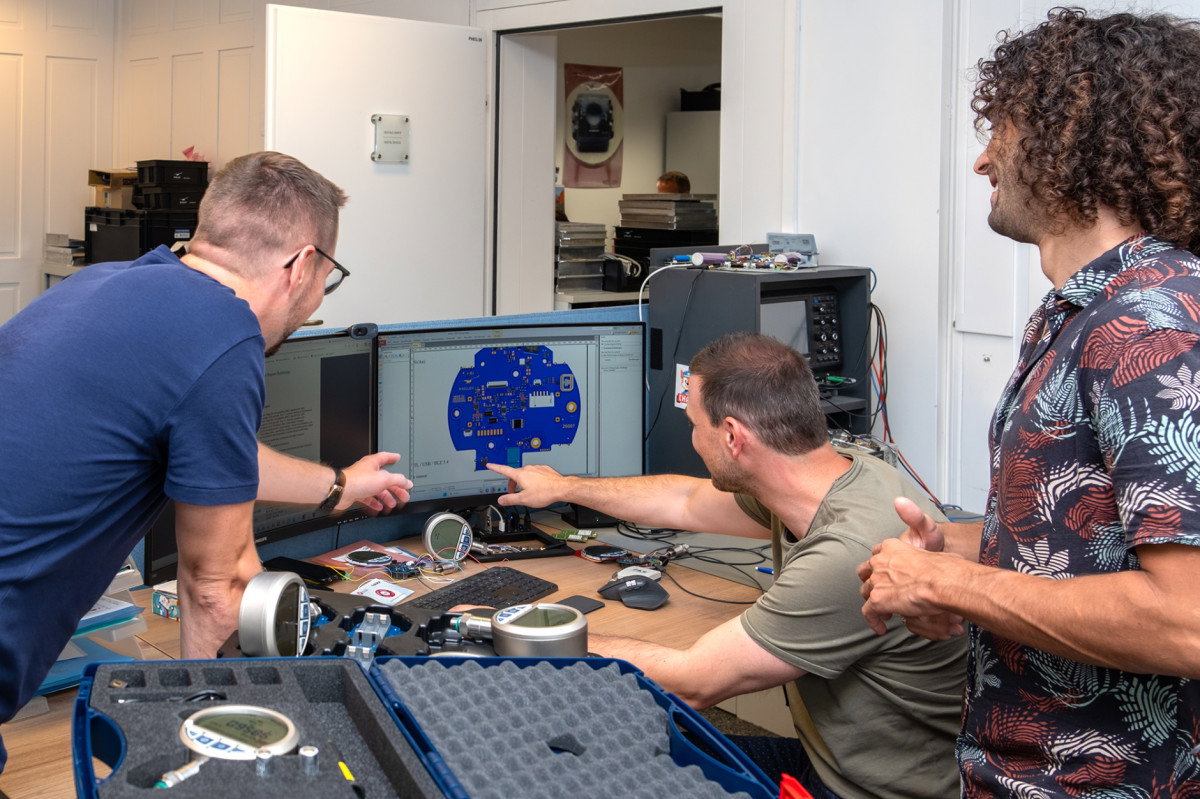
At the same time, the first functional prototypes and feasibility studies were produced. The aim was to assess the technical feasibility of various concepts at an early stage.
The requirements were demanding. Pascal recalls: «The biggest challenge was combining high accuracy, full functionality, long battery life and ease of use in a compact device.»
It was precisely this combination that repeatedly proved challenging as the project progressed. Numerous solutions had to be tested, adapted and, in some cases, completely rethought.
«Particularly with regard to the mechanics, menu navigation and individual hardware components, it was only through testing that we discovered which solutions would work in the long term.»
What seems self-evident today is often the result of countless prototypes, trials and joint discussions.
A new foundation for the future
When Francisco Dumont joined KELLER Pressure, he immediately became part of the project. His first task was to select the microcontroller for the new device. He then focused entirely on firmware development.
The focus was not solely on the functionality of the new product. Another key objective was to establish a flexible software architecture that would serve as a foundation for future Bluetooth projects and accelerate their development.

«The first working firmware versions, including Bluetooth connectivity and new measurement modes, were a highlight for me. From that point on, it was clear that our vision for the code structure was the right foundation.»
Francisco Dumont,
Development Engineer
The foundations laid during the project will therefore benefit not only the new LEO Ultimate, but also future developments.
When teamwork makes all the difference
In conversations with those involved, the term ‘teamwork’ comes up time and again.
A modern digital pressure gauge is not developed in a single department. Different departments must work closely together to ensure a reliable product is delivered in the end.
«The entire project wouldn’t have got off the ground without good teamwork», says David Schwenter.
Pascal also recalls numerous situations where challenges could only be overcome by working together. «Particularly with issues such as firmware, menu navigation, testing or approvals, many improvements only came about through ideas and feedback from different departments.»
Francisco confirms this impression: «Teamwork was essential because so many different departments were involved. For me, collaboration with production and project management was particularly important.»
Proud of the result
What once began as an ambitious project is now nearing its goal.
For Pascal, what has been achieved is remarkable in many respects: «I’m particularly proud of the new electronics platform, the level of accuracy achieved, the Bluetooth and USB-C connectivity, the new user interface and the device’s robustness.»
For David, however, the greatest success lies in the team’s collective achievement. «Seeing how theoretical concepts and visions have been transformed into a real product through cross-departmental collaboration makes me particularly proud.»
Stay up to date:
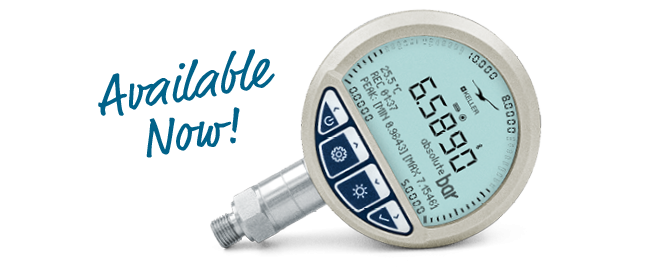
Discover LEO Ultimate now
The countdown is on
Not all the details have been made public yet. But one thing becomes clear when you take a look behind the scenes: there is far more to the new LEO Ultimate than just the development of a single product.
It is the story of a team that has worked together to realise a vision, overcome challenges and, time and again, found new solutions.
In keeping with this, David Schwenter sums up his most important insight from the project in a single sentence:
«Always act as if everything will turn out well. Because it will turn out well.»
A great deal of development work, countless decisions, and one shared goal. On 1 September 2026, KELLER Pressure will reveal what the team has been working on for so long.
Aandeel
David Schwenter
Technical Product Manager